changeswrought

Welcome to the website of

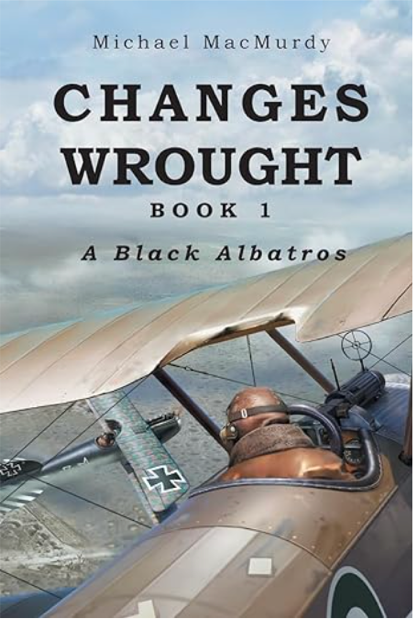
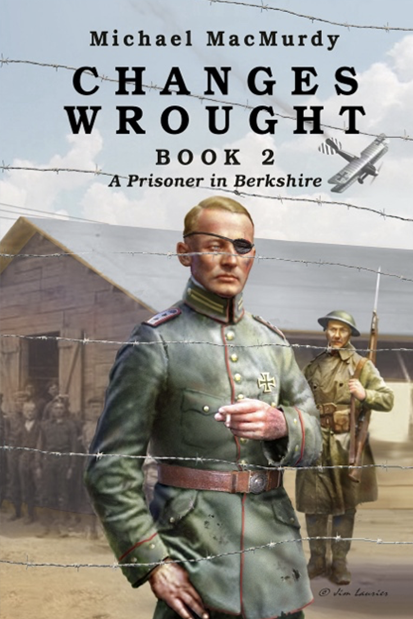
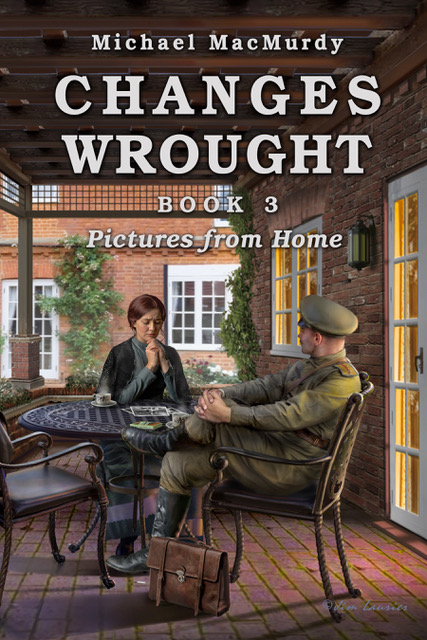
CHANGES WROUGHT

poster1
poster2 (1)
poster3-1

The Western Front—1917.

Field Marshal Haig is readying an offensive that will drag on for three horrible months—that history will know as the Battle of Passchendaele. Above the mud and barbed wire and cleared killing grounds, BE2s and Sopwith Pups struggle against the German Albatrosses.

In the east, the Bolsheviks sign an armistice with Germany, freeing up fifty German divisions. Ludendorff takes his last shot in the spring of 1918, but the Americans are arriving in strength and the Allies hold. Spearheaded by 500 tanks, the Allies counterattack near Amiens—beginning the Hundred Days Offensive that will end the war.

CHANGES WROUGHT takes us into the cockpits of Britain’s Royal Flying Corps, from a hospital in Yorkshire to a mansion in Bristol, and from Parliament to the plains of southern Russia.

Subscribe

Please consider subscribing to receive information on release dates, free stuff, and more. I promise not to share your information or inundate you with emails.

The Planes

Sopwith Pup

BE2

Sopwith Camel

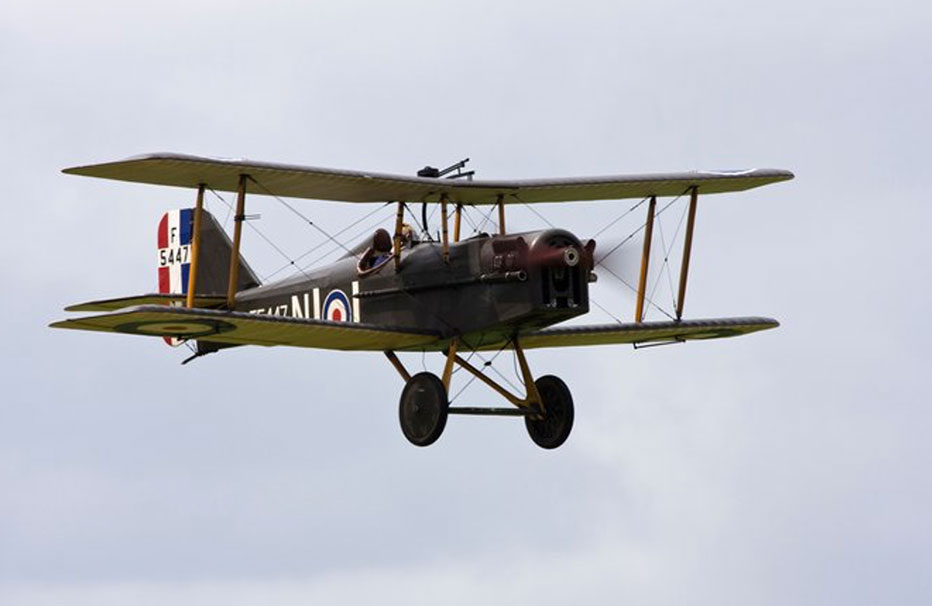
SE5A

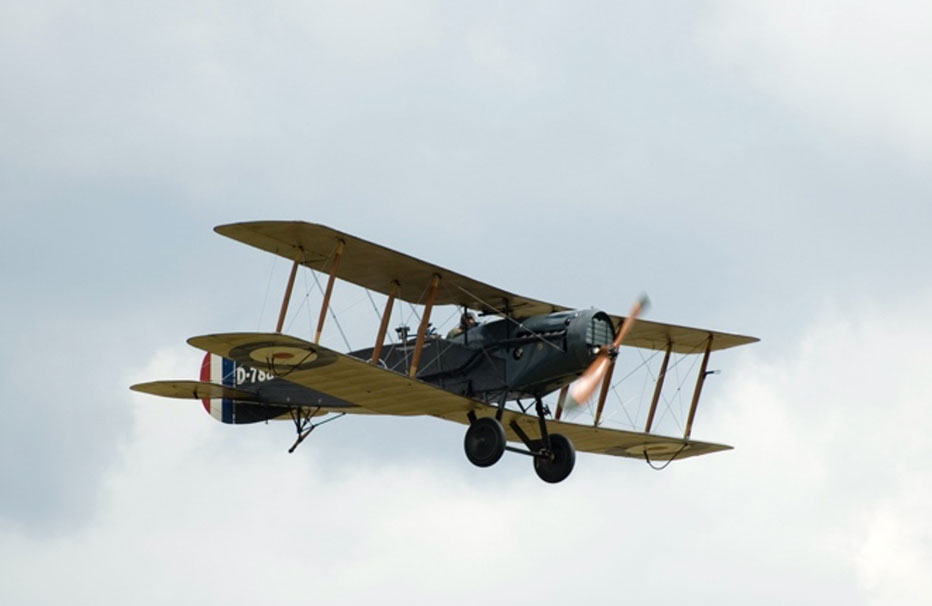
Bristol Fighter

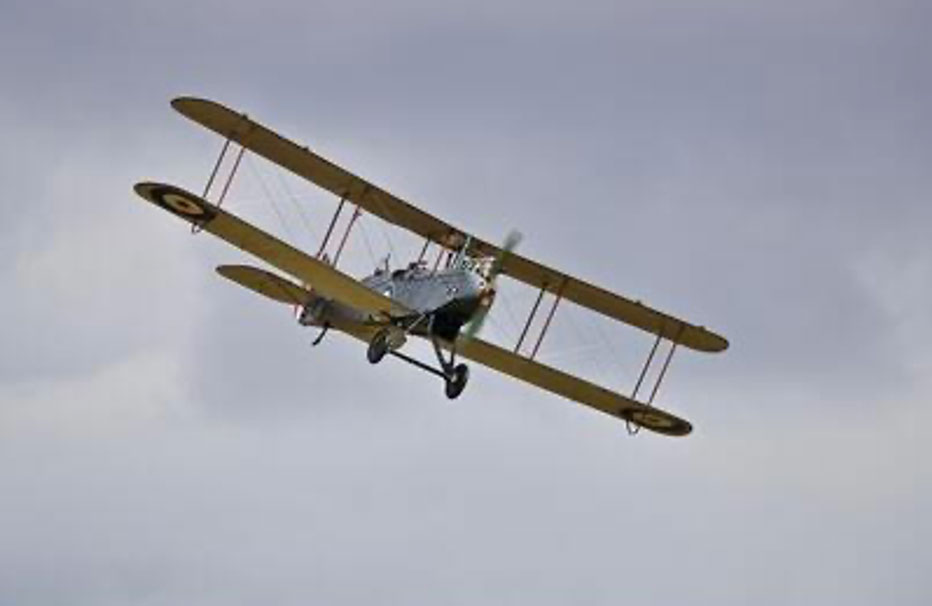
DH9/DH9A

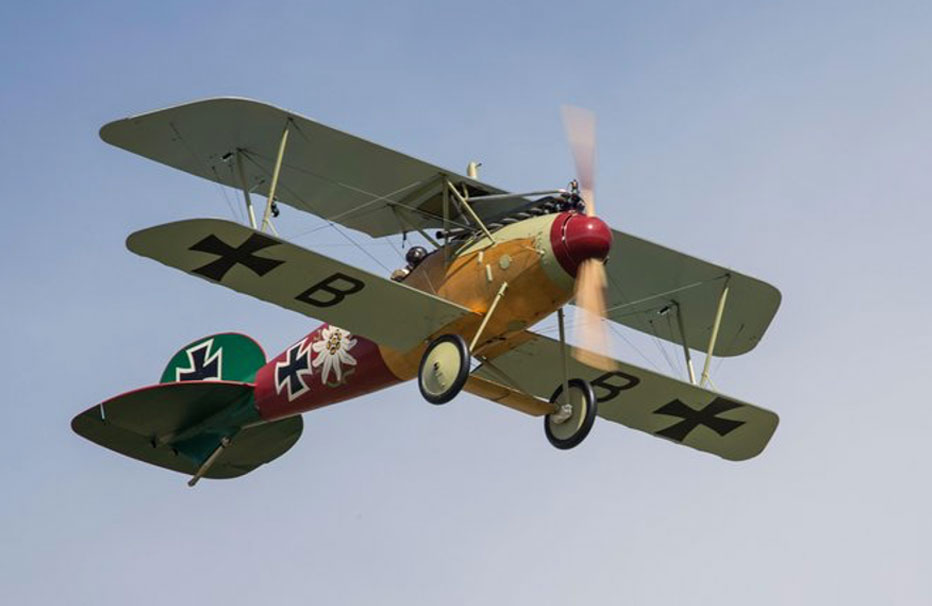
Albatros D V

The Triplanes

Fokker D VII

The Guns

alliedvickers

Allied Vickers Machine Gun

britishlewis

British Lewis Gun

British-13-pound-9-

British 13-Pound 9 CWT Anti-Aircraft Gun

7.7-cm-gun-

German 7.7 CM Anti -Aircraft Gun

The Situation on the Ground

All maps courtesy of the United States Military Academy Department of History

The Stabilized Front

In Book One of Changes Wrought Pete Newin is stationed near Hazebrouck (southeast of Calais) and Harry Booth is a little farther northeast, closer to Ypres. The front line has moved little since the autumn of 1914. The British gained some ground down on the Somme in 1916 at a terrible cost, while the French and the Germans slaughtered each other at Verdun. Now, in the summer of 1917, Field Marshal Haig is readying his troops for a major assault in Flanders.

31 July 1917

Plummer’s Second Army successfully captured Messiness Ridge in June (bottom of map). The British exploded nineteen mines under the German positions—the combined explosions may have been the loudest sound created by man until the arrival of the nuclear age. His right flank secure, Haig is ready to launch his attack, which will drag on for three horrible months.

The British and their allies will suffer around 300,000 casualties in the Third Battle of Ypres, without breaking the German line or capturing the U-Boat bases on the Belgian coast. The very high losses will aggravate the already tense relationship between Lloyd George and his senior generals.

Harry Booth’s first combat flight is a photo recce mission in a BE2 over Messiness Ridge. Harry’s 6 Squadron was attached to X Corps; however he and Jack were on loan to IX Corps that day. About six weeks later Pete Newin crosses the front line near Ypres in his Sopwith to attack a German aerodrome, in the early morning hours of 31 July 1917.

Spring 1918

The Germans transferred approximately fifty divisions to the western front when Russia dropped out of the war, allowing Ludendorff to launch a wave of attacks beginning in March of 1918. As can be seen the stagnated front was shattered and the Germans gained significant ground, but ultimately the Allies held. Lieutenant Mark Newin is in action near the Lys River during the second German offensive in Book Four of CW.

FAQs

This refers to the great changes technology brought to WW1: aircraft, powerful and accurate artillery fire, machine guns, and the relative unimportance of cavalry.

Seen one way, I believe the late Paul Fussell (author of the wonderful “The Great War and Modern Memory”) said it well:

One doesn’t want to be too hard on Haig, who doubtless did all he could and who has been well calumniated already. But it must be said … in a situation demanding the military equivalent of wit and invention. Haig had none. He was stubborn, self-righteous, inflexible, intolerant—especially of the French—and quite humorless. … Bullheaded as he was, he was the perfect commander for an enterprise committed to endless abortive assaulting.

That said, we should recognize that Field Marshal Haig was in a very difficult position. He had to manage relations with the dominions and the other Allies, and deal with a hostile Lloyd George and serious manpower issues while fighting the German Army. 

While to his credit he ultimately got it done, in a sense Douglas Haig was unlucky. If he had been born a century or two earlier, history would likely look upon him as an outstanding military leader. But he wasn’t born with the flexibility, the adaptability, to fight an entirely new kind of war, and the modern assessment of his wartime performance leans negative.

Rotary engines are similar in appearance to the radial engines that were used in some WW2 fighters, in that the cylinders project outward from a central shaft (the photo is of a nine-cylinder Le Rhône rotary mounted on a Sopwith Pup). The difference is the entire cylinder assembly of a rotary engine is fixed to (and rotates with) the propeller. This allows the engine to be air-cooled, saving weight and design complexity. The primary drawback is the spinning propeller and cylinder assembly effectively acts as a big gyroscope at the front of a small, lightweight aircraft.
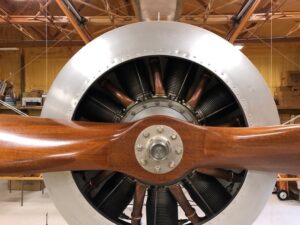

Viewed from the cockpit, the cylinder assembly is spinning clockwise. Now consider a rotary-engined aircraft in a hard right turn. The turning motion produces a force on the left side of the engine, making it turn (pivot) to the right. A force applied to a gyroscope is “felt ninety degrees of rotation later.” Therefore, the force of the right turn is applied at the top of the gyroscope, pushing the nose of the aircraft down. This effect was more pronounced in some airplanes than others. The most famous example is the Sopwith Camel—new Camel pilots were advised against making right turns at low altitude.

Book Four should be out around December of this year. Book Five, the last book of the series, in mid 2027.

The short answer is yes. The books run chronologically and things will make more sense if you go in order.

About The Author

michaelmacmurdy

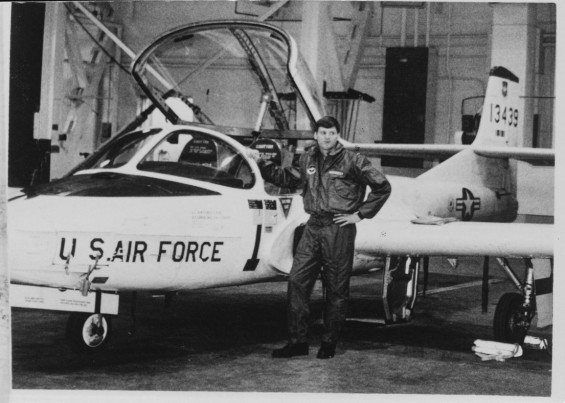
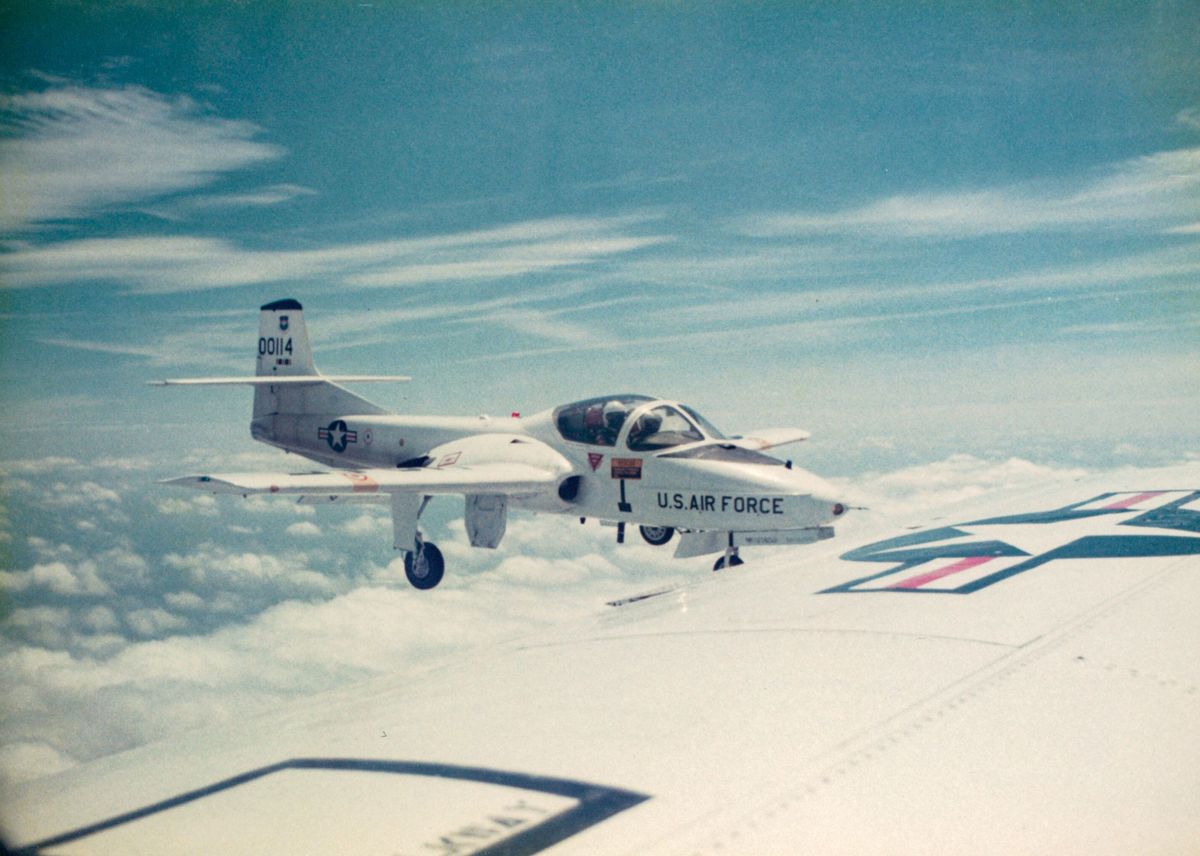
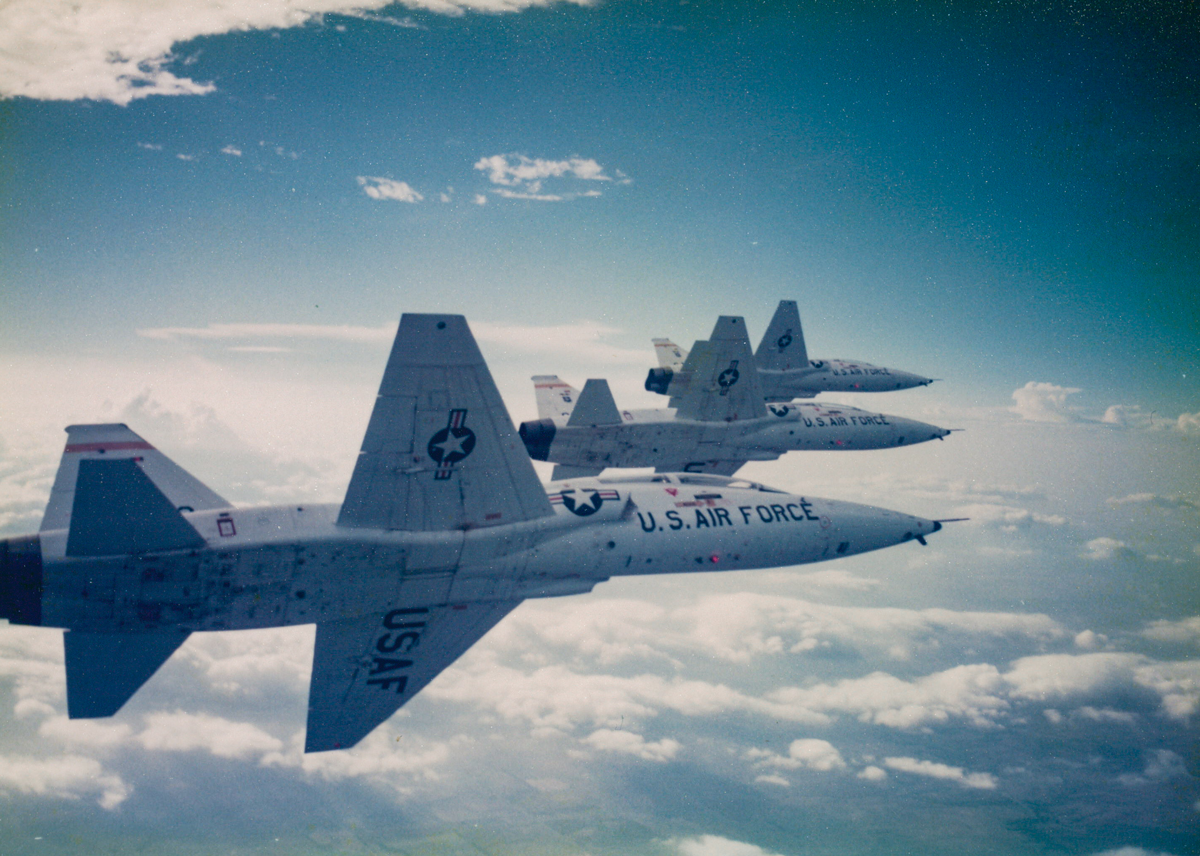
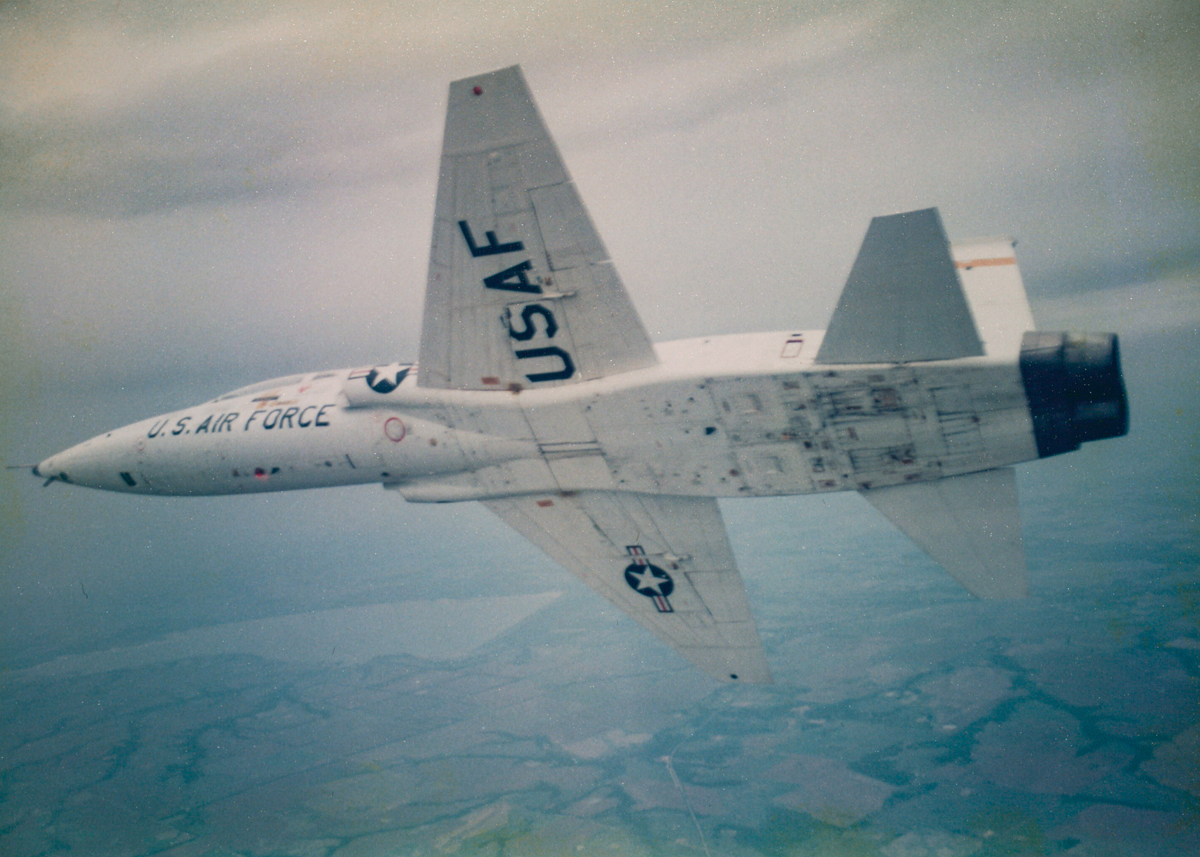
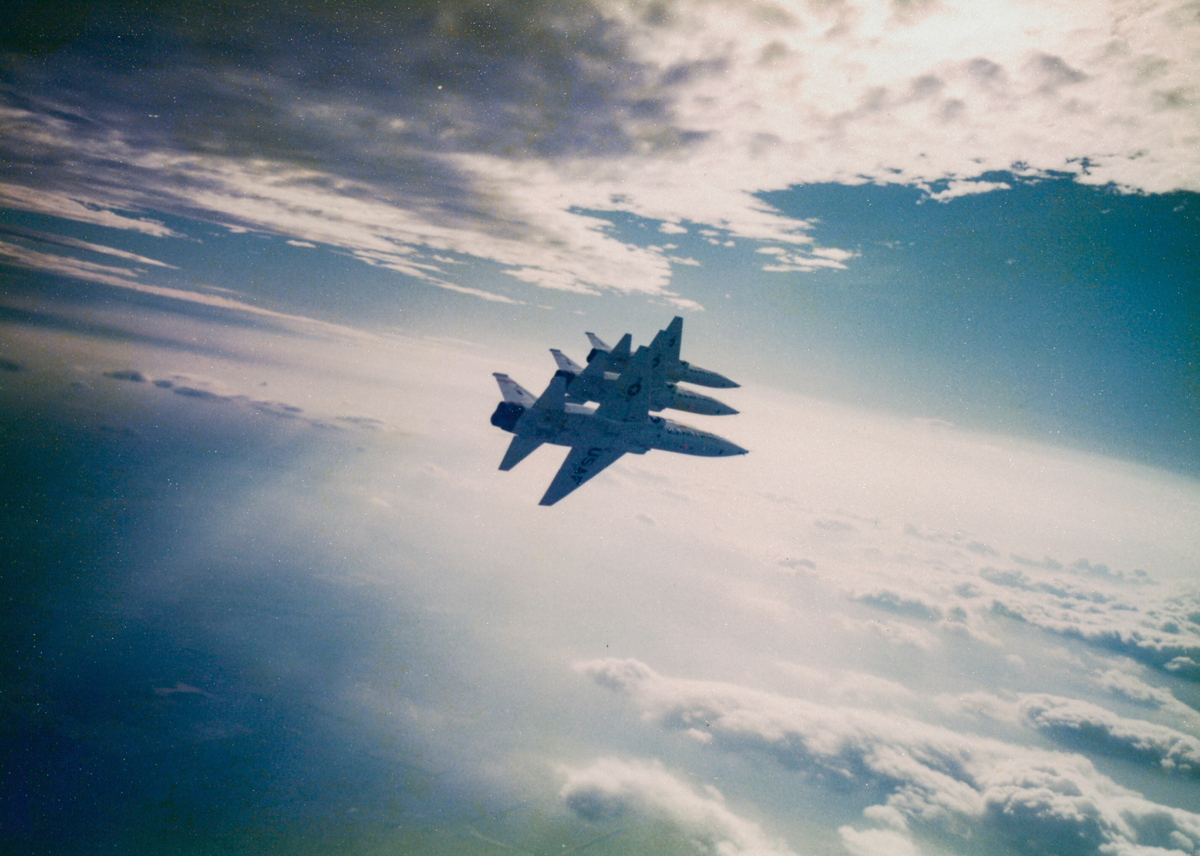
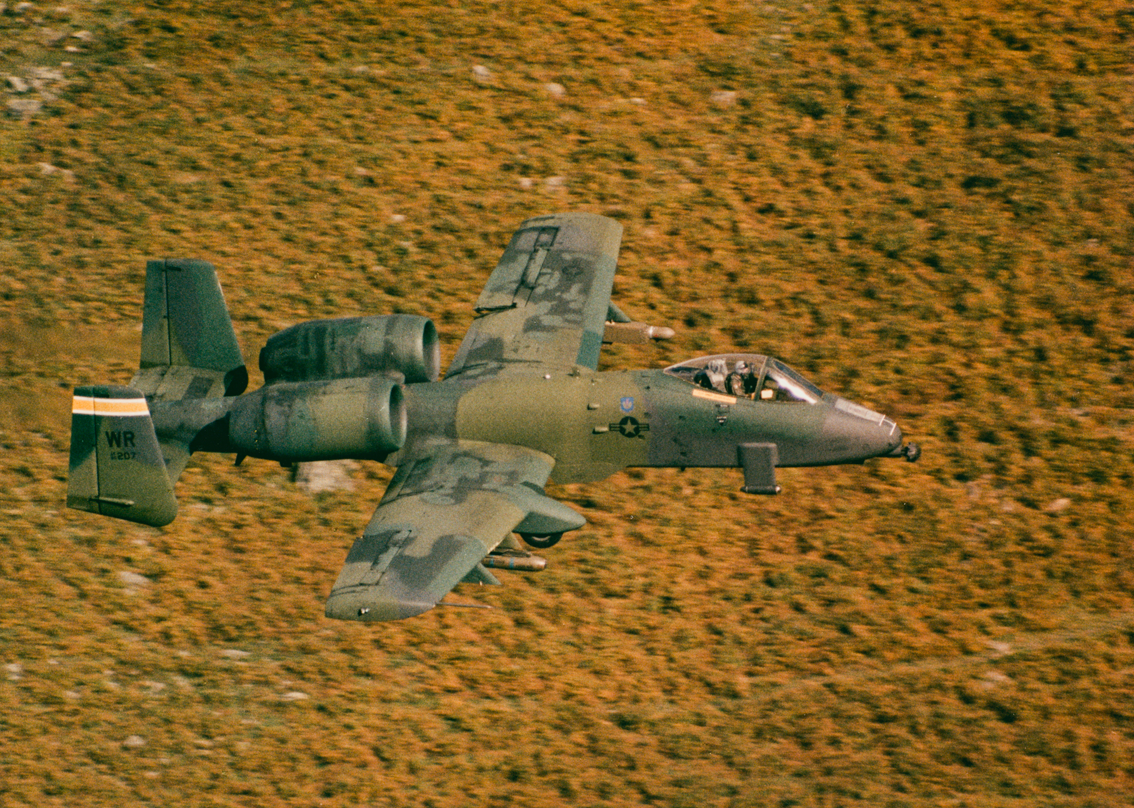
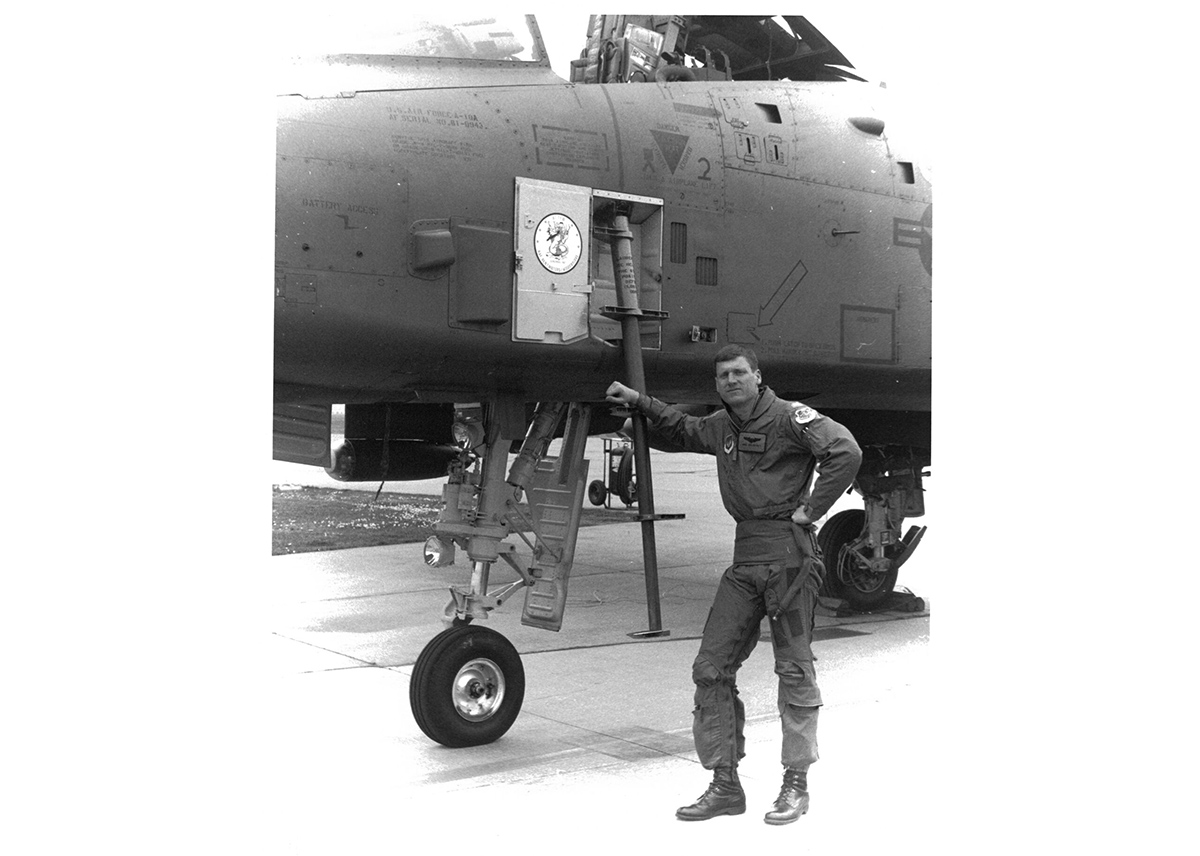
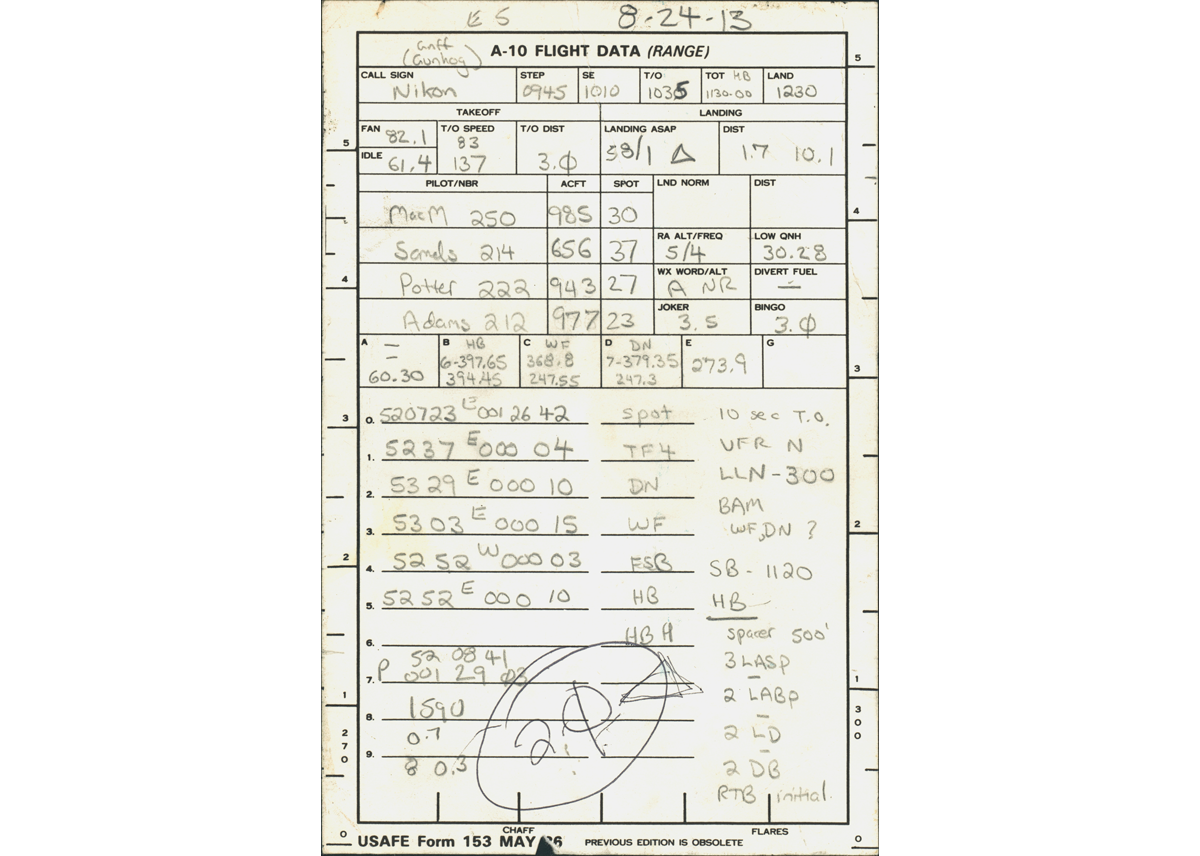
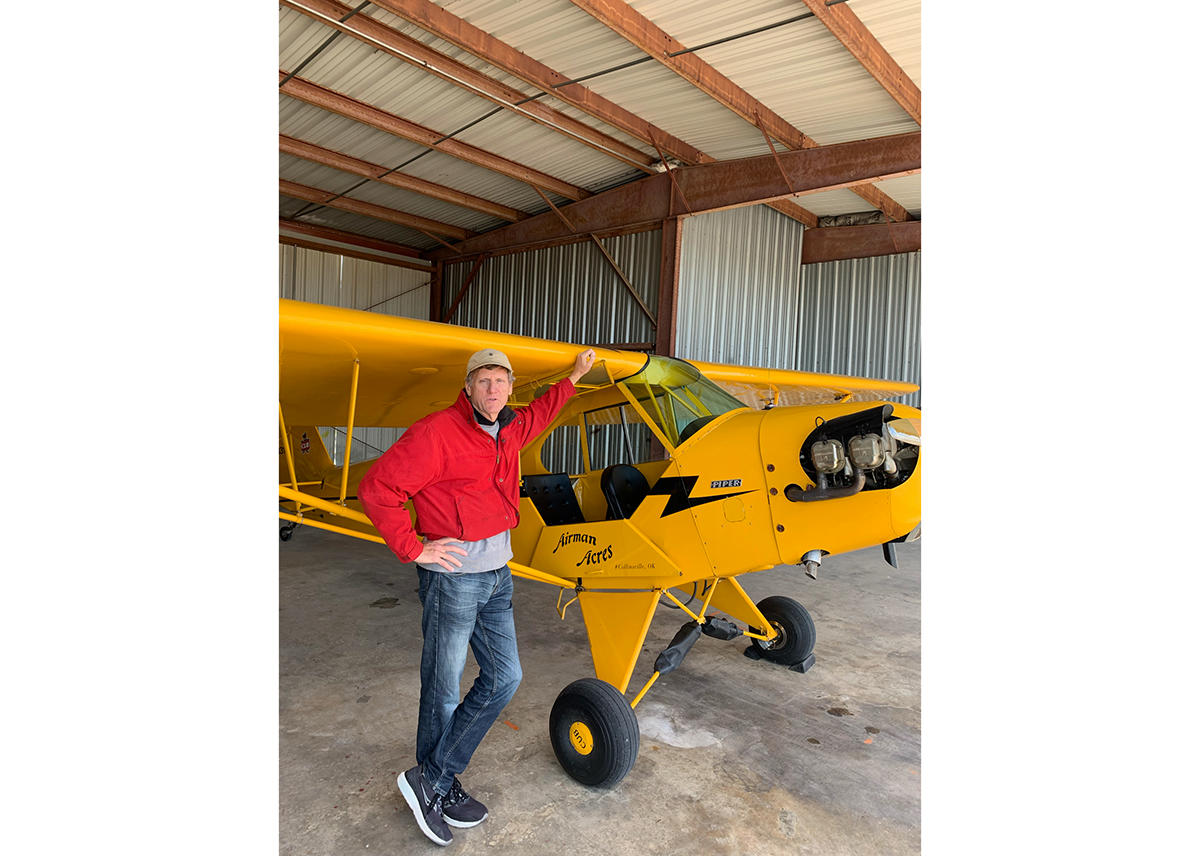
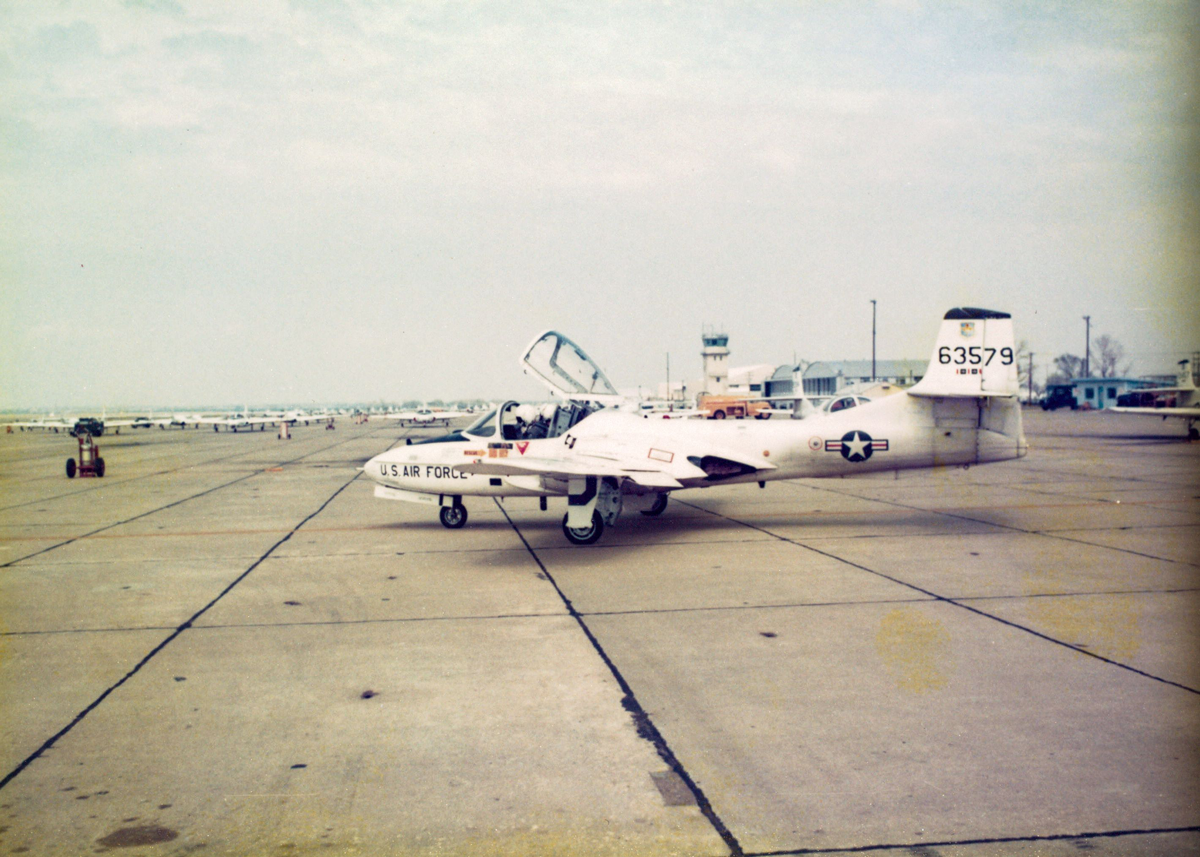
Michael MacMurdy is the author of Changes Wrought. Michael flew T-37 trainers in Oklahoma and A-10 Warthogs in England in the USAF before moving on to the airlines. He currently lives in Frederick County, Virginia, with his wife, Ruth Margarita.

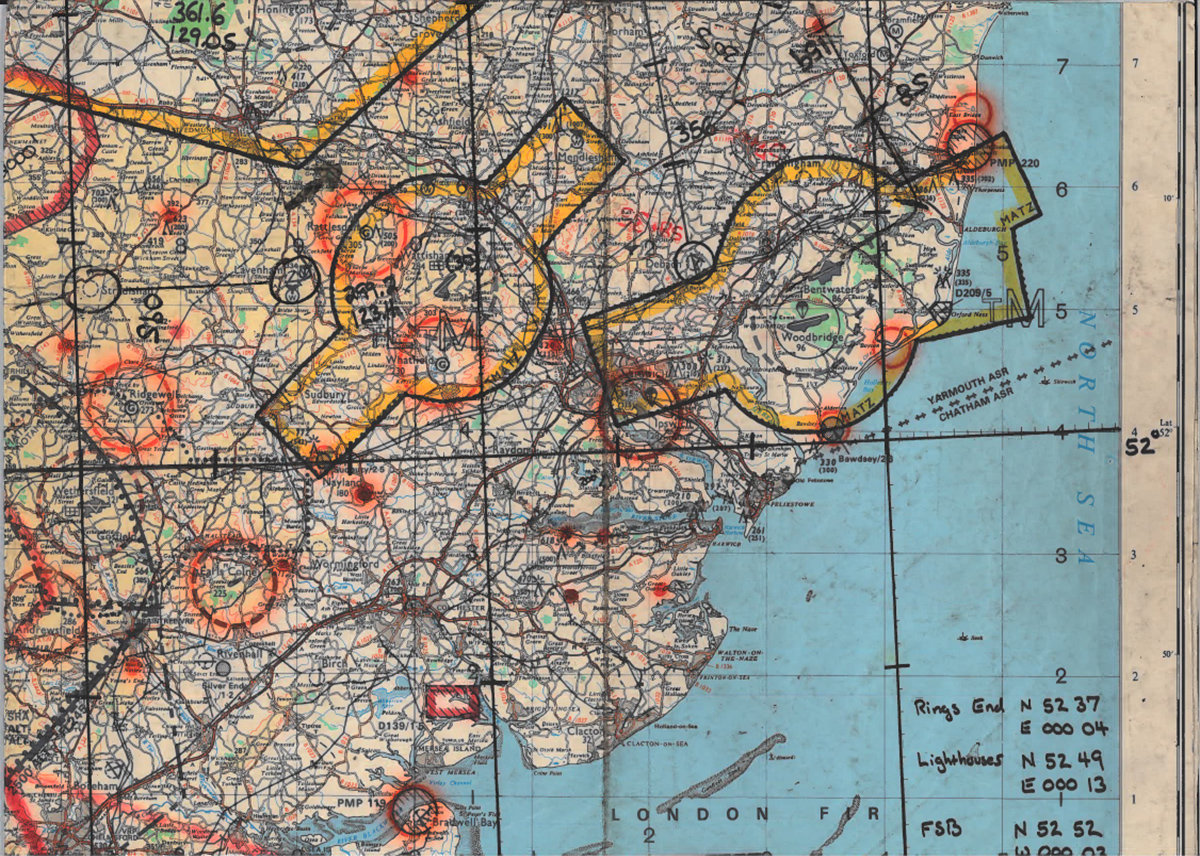
A-10 raf bentwaters

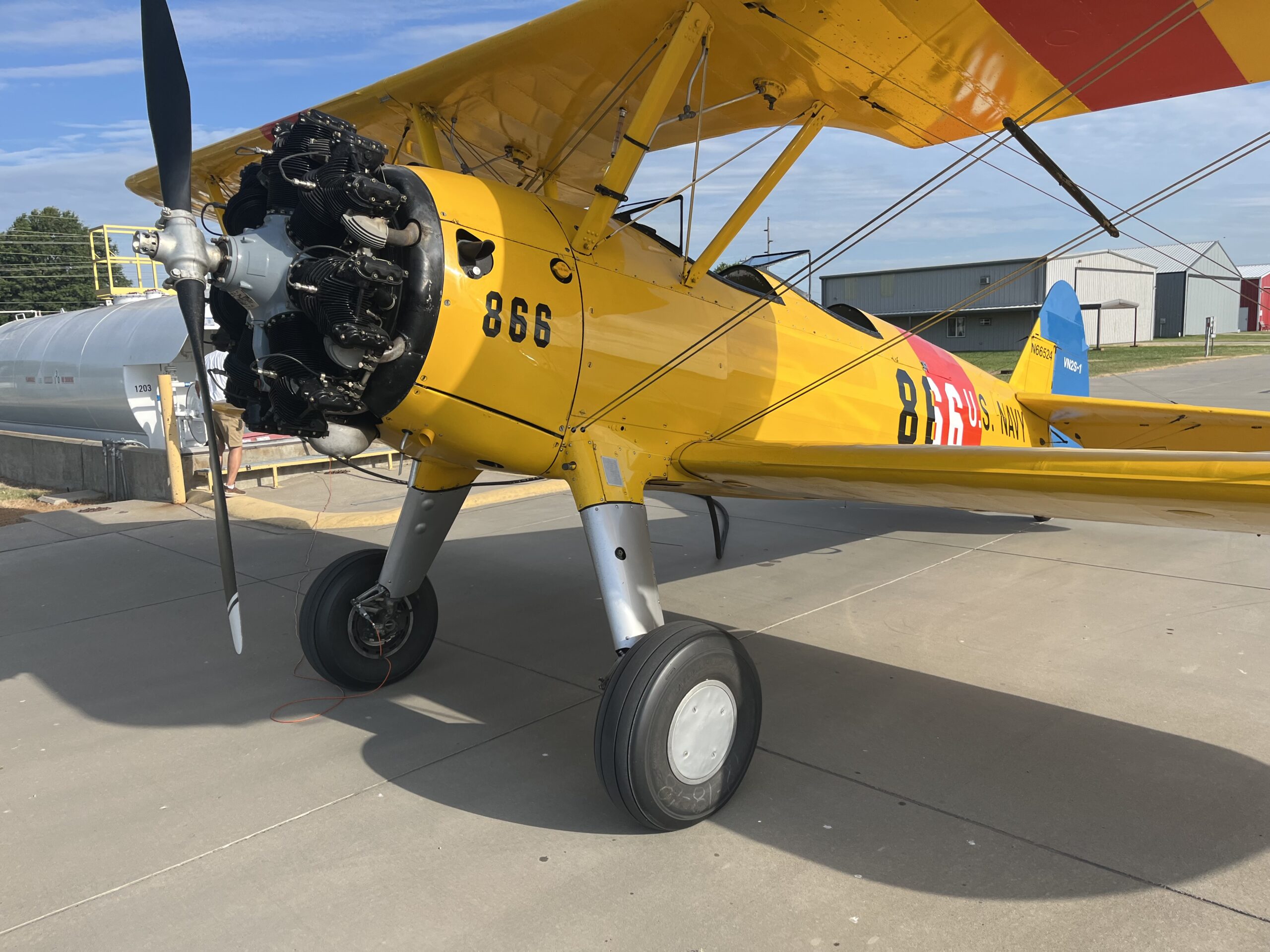
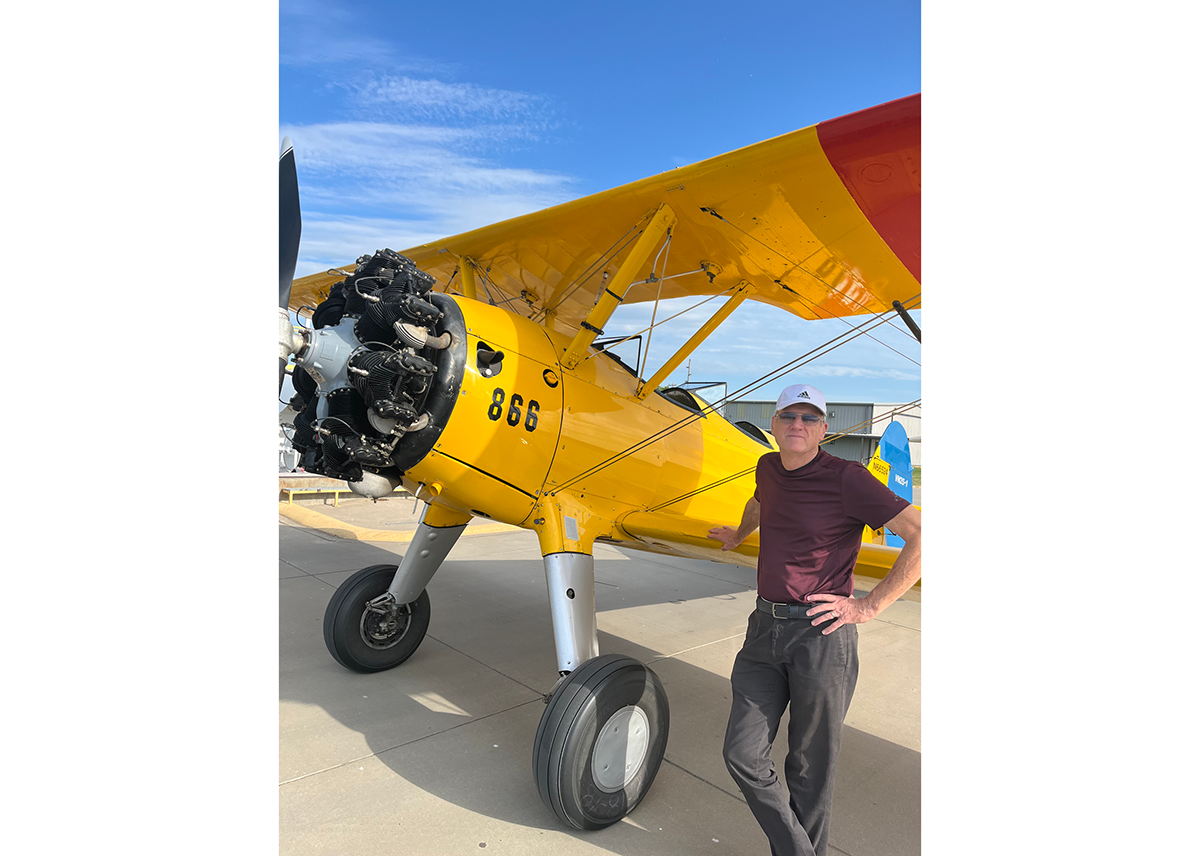
Stearman Flight Training

This is what the entry into a spin looks like. We pull the nose up and reduce power to idle. The airplane runs out of speed and the nose drops. We have full rudder in so that causes the spin. To recover: recheck the throttle at idle. Neutralize the ailerons and apply rudder opposite to the spin direction. Bring the column forward as necessary to break the stall. Once the spinning stops, neutralize the rudder and recover from the dive.

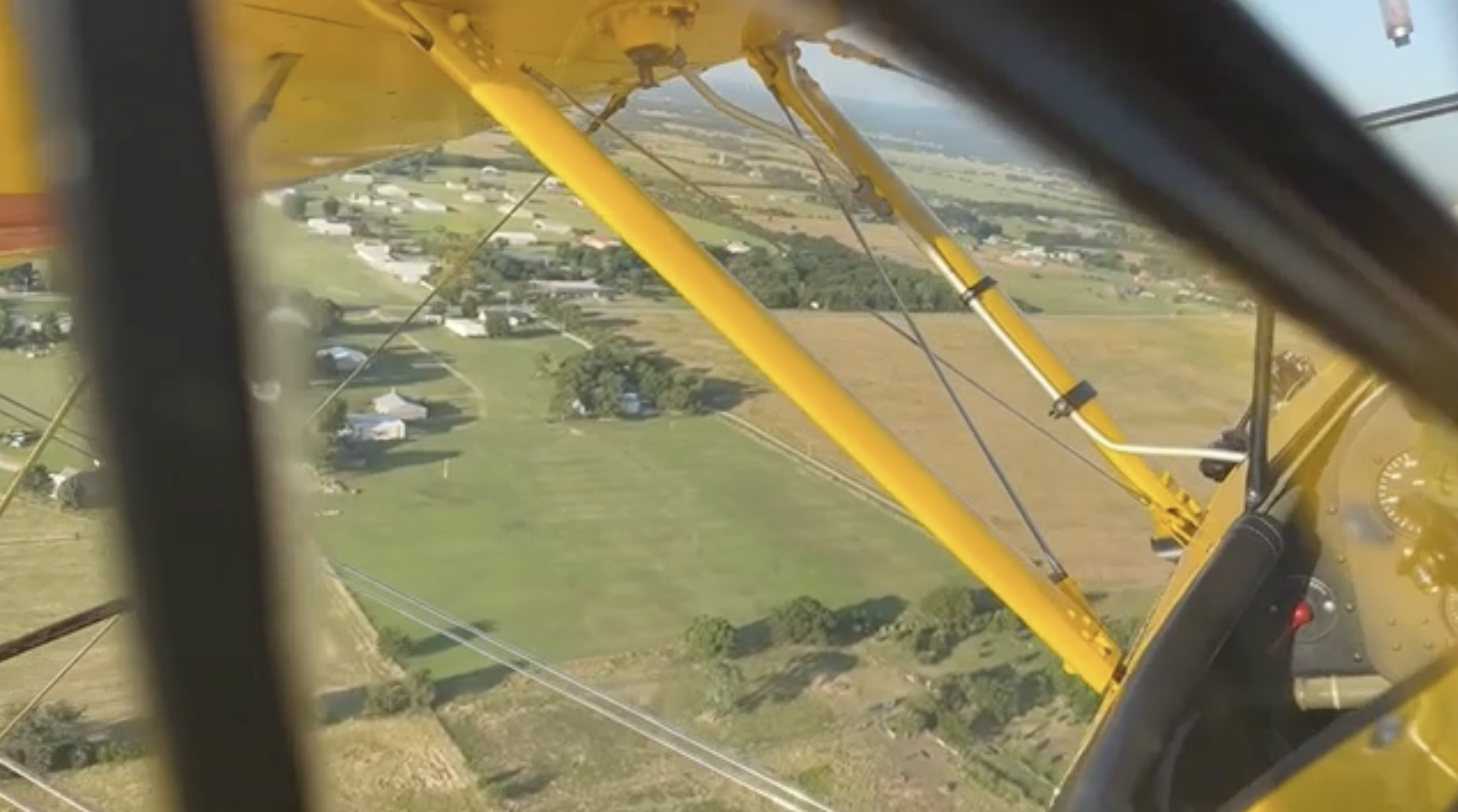
This is your basic traffic pattern and landing onto a grass strip. The final approach is very steep by airline pilot standards, due to the high drag of the Stearman. It’s easier to land on grass—more forgiving of yaw inputs than is a concrete runway.

"Michael MacMurdy uses his experience as a T-37 instructor pilot, as a flight lead/instructor pilot in the A-10 Warthog, and flying tail-dragger aircraft to take us into the cockpits above France in 1917. The inflexible leadership and the inferior aircraft. The politics of the Royal Flying Corps and the home front. Romance. Vengeance. All wrapped into an immersive read that is both poignant and tragic, humorous and irreverent. Highly recommended." - Maj. Gen. [Ret.] Steven Berryhill, USAF

FREE DOWNLOADS

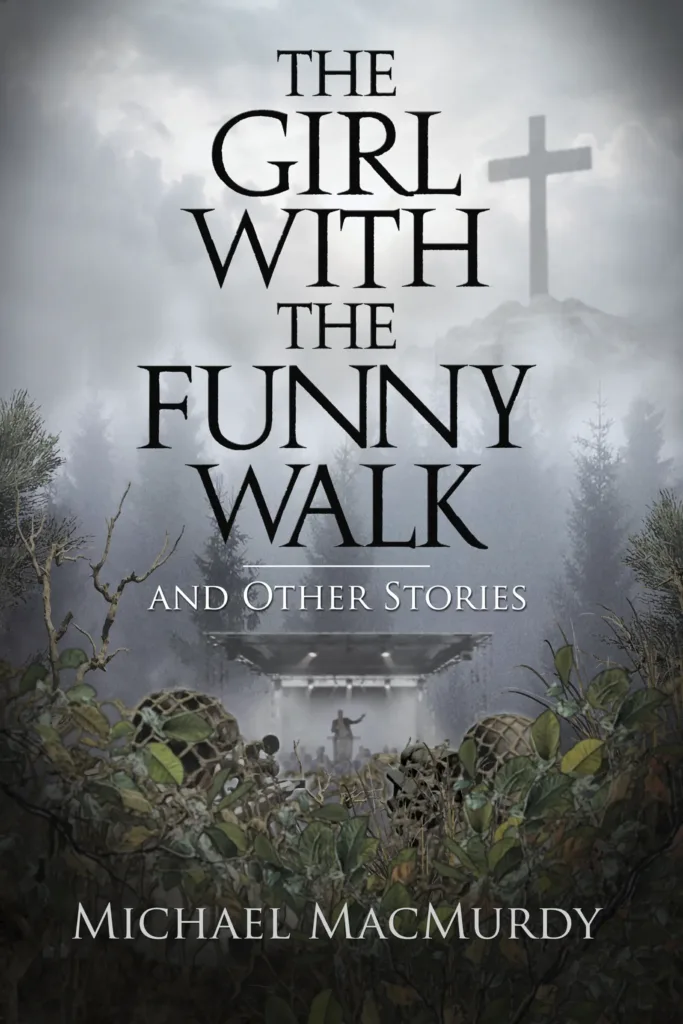
The first story of my (work in progress) collection of short stories is available for free download. The Girl with the Funny Walk has nothing to do with WW1; rather it's about a “bad guy” and the road to redemption. If that might appeal to you, please give it look.

Contact

For Media & Press Inquiries

Follow on Social Media

All Cover Artwork by Jim Laurier Fine Art

closingpic
Spw-Tpln-Logo

Subscribe

Please consider subscribing to receive information on release dates, book signings, and more. I promise not to share your information or inundate you with emails.

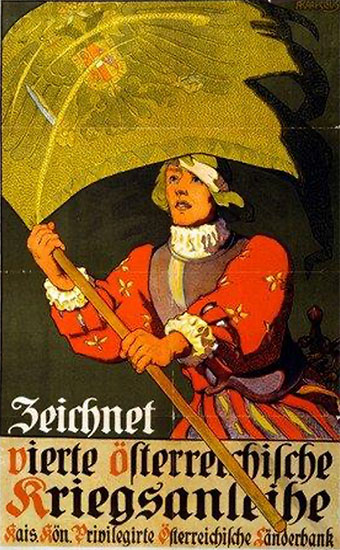
poster4

An Austrian poster for war bonds. Note the black double eagle—the symbol of the dual monarchy. Translation: Sign up for 4th Austrian War Bond. Imperial Austrian States Bank. 

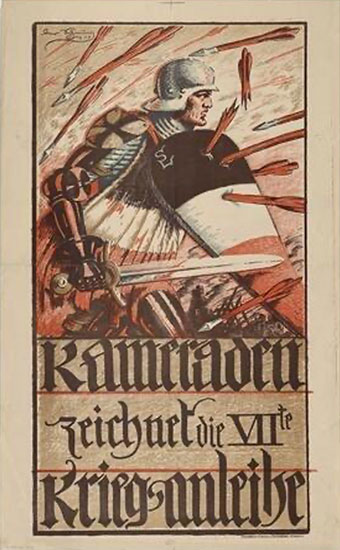
poster5

A German poster for war bonds. Translation: Comrades, sign up for the 7th war bond.

Lieutenant Pete Newin is a Sopwith Pup fighter pilot.

He lit a cigarette and tossed the burning match onto the table. Set the cigarette on the edge, put his fists down and his chin on his fists. Watched the match burn down, then out. The little blue-gray smoke trail curled up. He flicked the match with his finger and looked at the little burn mark. Felt it. Still warm. His contribution to the table’s character. He straightened up and looked over to the bar. The old heads, somber. The newer chaps louder, their arms around each other now and again. Hands flying about—refighting air combats with alcohol-reinforced vigor. The occasional song or argument.

The bartender set up another row of whisky glasses and filled them. Alcohol—one constant of existence in the Royal Flying Corps. Along with cigarettes and castor oil. Diarrhea. Dead pilots and new pilots. Drawn from Britain’s inexhaustible supply of young men.

He pushed his cigarette to the middle of the table. Flicked the end of it and watched it make little red circles as it spun to the floor. Like an airplane going down in flames. He ran his eyes across the tabletop again. There was a tiny, sharp gouge he hadn’t noticed before; the wood was gray where the point had chipped the finish away. Someone had stabbed his knife into the table years before. Had the knife passed through a hand on its downward plunge? More cheating at cards? If he had a microscope, could he see tiny bits of blood and flesh in the hole? Or had the evidence long since been washed away?


Lieutenant Harry Booth is a Liverpudlian fabric store kid turned RFC observer.

Okay, Harry, we can’t stay here. Another push and pull, and another few inches of progress through the sticky mud. Another deep breath, and on the third try, he made it out. Pulled himself onto a knee and looked around, his heart pounding. The visibility had been rotten all day, but right there it had to be at least five miles, and a Hun observation balloon was visible below the clouds. What was it that West Country corporal had said? “We don’t like you chaps crashing nearby. Brings the Hun artillery.”

He looked toward the nearest British trenches, but no one was rushing to their rescue. Looked at the Hun balloon again. Maybe if he gave them a friendly wave? Surrendered? He crawled to the forward cockpit and looked at Norman. His eyes were alert and he was breathing, but he didn’t give any sign of trying to get out of there. There was space between the railing and the mud; he should be able to pull him out. He fumbled with Norman’s safety belt and got it undone. Grabbed hold of him as the first shell hit, which answered the question if a beat-up RE8 was worth shooting at.

The shell landed a few hundred yards short, but was big enough and close enough to rattle the airplane. Likely a seventy-seven. But whatever it was, they needed to get the hell out of there.


Mark Newin is a civilian scientist with an approved exemption from military service.

The whistle blows and Private Mark Newin climbs out of the trench. Charges forward, bayonet fixed. An artillery shell bursts to his right, knocking one mate down. To his left, the Hun machine-gun fire cuts down two more. A bullet slices through his side, he staggers and drops to a knee. Gasps for air…pushes himself onto his feet and keeps going forward. The barbed wire tears at his hands and face, but he fights his way through and jumps into the first German trench. Fires from the hip, bringing a Hun down. Lunges forward with his rifle, just in time to knock aside the plunging bayonet of another, saving his best friend’s life.

And that was about as unlikely a scene as he could possibly conjure up. Twenty-eight-year-old, overweight and out-of-shape Mark Newin, who had never fired a gun in his life—the war hero. If he put this in ledger form, it wouldn’t be a close call. He could do far more good at the Lab than he could trying to play army. But there’d be that one nagging footnote on the “Stay at the Lab” side of the Mark Newin ledger. Had he stayed at the Lab because he was afraid?

Pete Newin is a flight commander in the Sopwith Camel.

The Devonshires held this trench, the Devonshires hold it still.

Pete read the words twice. Ran his fingers over the wood. It was gritty with dirt. He took his scarf out and wiped it off. Traced the words with his finger, the edges still sharp from the chisel. Looked down the row of simple wooden crosses. The line was straight and the crosses evenly spaced. Like their soldiers that day—lined up to go over the top when the whistle blew. The sun was shining but he was in the shade of a little copse of trees, which would have been just beyond the forward British trenches that morning. But word was hundreds of the 9th Devonshires didn’t even make it this far. That the German artillery had destroyed the forward trenches and the attack started from the British second line.

The cemetery wasn’t large, and not very different from hundreds of others in France and Belgium. One little corner of remembrance, to what history would know as the Battle of the Somme. He stood up and looked across the field, across what would have been no-man’s-land that morning.


Harry Booth is still trying to survive life as an observer in the RE8, while having some fun along the way.

“At ease, lieutenant.” Harry relaxed his posture but remained standing as the corporal closed the door behind him. He looked down at the desk without moving his head—their overweight and balding squadron commander was bent over a letter. He was holding a cigarette in his right hand, and flicked the ash in the general direction of an overflowing ashtray as he read. Harry studied the top of the major’s head. Unlike the more typical, shiny apple sort of spot, the major’s bald spot seemed to absorb the light, like aged parchment. If he poked it with his finger, would it go right through? Pull it out and it’d be sticky red with bits of brain—like a candy stick from the circus? Had he ever seen the major fly an airplane…he didn’t think so. It was probably just as well—the wind might peel the top of his head off and blow it back into the observer’s face. The letter had some sort of legal seal at the top, and Harry winced as he read the upside-down heading: City of Liverpool Police.

“Mister Harry Booth,” the major read. “Twenty-seven Thomson Street. Everton. Liverpool. Would that be you, lieutenant?”

Ian Crosse meets his wife-to-be and her little sister.

“But they are terribly boring, daddy’s parties. All these old fellows talking about business and bye-bye elections and taxes. The latest cure for hemorrhoids. While the wives show off their jewelry and vie to see who can look the most under the age of a hundred. Drop little hints to each other about their young playthings.” She licked her lips and ran her tongue around the edge of her wine glass as her eyes roamed about the room. “Young men off fighting a war is much more interesting. I love hearing stories about horses crashing through the poor enemy soldiers—trampling them down as our heroes slash them with sabers. Fellows flying about in airplanes and shooting people with machine guns. Or do you drop bombs on them?” Her bright blue eyes had settled on him again.

“Machine gun in my case. The Sopwith Pup doesn’t usually carry bombs.”

“Ahh, Sopwith. The enemy. Daddy’s so proud of his Bristol Fighter…


Mark Newin battles his way through army training.

“You’re not cut out for the infantry, private. At least not as a common soldier. But the army has many needs, and one of them is junior officers. Most of the ones we send across don’t last long. And as we all just obey orders around here, pack your kit. You’re leaving in the morning for Officer Cadet Battalion, Penrith. I’d dress warm if I were you. That’s all.”

Mark was stunned. Instead of flunking out of Basic, he was going to an OCB? Bumbling Mark Newin would lead men into combat? Their lives would depend on split second decisions he’d make? This couldn’t be. He stared at the captain, who was lighting his pipe. He opened his mouth to say something. Closed it. Still not knowing what to do or say, he saluted and spun around. Took a couple of uncertain steps, grappling with what he’d just heard.

A voice stopped him as he went out the door. “Mark?”

It took him a few seconds to process that word—no one other than a fellow recruit had called him “Mark” for the last two months. He turned around. The captain was looking out the window, puffing on his pipe. His eyes flicked to Mark. Went back to the window.

“You didn’t do well here, but think about how much you did learn. And I’ll let you in on the British Army’s little secret. You don’t need to know much about warfighting to be a good junior officer. The little bit you need to know, you’ll learn soon enough. It’s not hard. What is important, is to take care of your people. Be tough with the ones that need it; show compassion when it’s warranted. But most of all, lead by example. You do that, if you’re the first one up the ladder when the whistle blows, they’ll follow you. That’s all that matters.”

Second Lieutenant Harry Booth begins flight training.

He took a deep breath. If he didn’t muck things up too badly, and if it didn’t get too windy, he might have his first solo flight today. He stepped toward the front cockpit to begin his preflight; a couple of the fellows had flown the Shorthorn the day before and they’d all sat in the front seat. He stopped as the captain laid the riding crop across his chest.

“Not so fast, Booth. What do we do before we get in the airplane?” The captain’s lips were blackened from smoking and his face was an unhealthy shade of gray. Harry blocked a sigh—if this done-in bounder died up there, he’d have to land the damn airplane by himself.

“We preflight the airplane, sir.”

“We preflight the airplane,” the captain repeated. “No kidding. What else?”

“Ah—”

The captain waited, tapping his riding crop on his shoulder. Harry looked from the AM2 to the Shorthorn. At the blue sky and white scattered clouds. What was he forgetting?

The captain blew out a sigh. “You sniff the air, Booth. Wave your hand through it and sense its lifting power. It’s the airflow over the wings that lifts the airplane, isn’t it? Didn’t they teach you at Reading that denser air lifts more weight? Or was that class only for the fellows who can read.”

Harry glanced at the air mechanic again, who was keeping a straight face while likely enjoying himself. He took the plunge. “Yes, sir. Denser air lifts more weight.” That sounded good, anyway.

“And if we don’t have enough lifting power, the airplane won’t lift off, correct?”

“Correct, sir.” That sounded good, too.

“So, you sniff the air. Wave your hand through it. Right?”

Harry paused before answering, with the feeling that no matter what he said, it was going to be wrong. “Yes sir.”

“You imbecile. How can anyone sense the lifting power of the air?” He put his riding crop under Harry’s nose and pushed it up. “I don’t see an air density meter built into your nose. Or maybe it’s up your arse, next to your little brain. Not that I’m going to look.”

“Ah, no sir.”

The captain pointed to the front seat with the riding crop, and it tapped up and down on the railing as his hand trembled. Like it was trying to send Harry a message in some secret trainee morse code: Don’t get into this deathtrap, Harry, and especially not with this bounder. He looked at Riding Crop again—at the wrinkled black circles around the eyes. He must be another one. The word was at least half the instructors in England had been sent home from the continent because they’d cracked.


Second Lieutenant Mark Newin begins artillery training.

A heavy-set major on crutches appeared in the doorway and stared at them, as one might eye a cockroach prior to squashing it. The major’s left leg was cut off above the knee and the boot on his right foot was badly scuffed. He’d combed wetted black hair over his almost bald head, and his complexion was a pasty white. He blew out a sigh and shook his head. Made his way to the desk at the front of the classroom, looking unused to his crutches. The chair squeaked in protest as he sat down. He lit a cigarette and took a long drag. Let out the smoke and coughed. Pulled a well-worn handkerchief from his shirt pocket and spat into it. Hefted his thick stump onto the desk. Once situated, he took another drag and scowled at the twelve fresh-faced second lieutenants looking back at him.

“By the way, the real class is down the hall, if you ladies were wondering.”As Mark would have guessed, the major’s voice was raspy. “For the chaps who’ve seen a shell land. Who know the difference between a dial sight and a clinometer. And to top it off, they tell me you fellows are special. That you’re going on to anti-aircraft school. Is that right?”

No one answered.

“You fellows do know what an aircraft is, don’t you?”

More silence. As the oldest in the group, Mark felt obliged to answer.

“Yes, Major. We are scheduled for anti-aircraft school at Shoeburyness, after completing basic artillery training.”

The major eyed Mark as he leaned back in his chair, which creaked in protest again. “Well, one of you ladies knows where he’s going. I suppose that’s something.” The major took another drag of his cigarette. Shifted his stump to get more comfortable and looked out the window.

“The problem is, we’ve got quotas to fill. The army tells the War Cabinet how many guns they need. The War Cabinet divides that by three and says they’ll see what they can do. The factories churn out the guns and ammo, at a nice profit. The floor supervisors interview the young lady workers, to determine which ones are the most…most motivated to move their careers forward. The dockworkers, when they’re not on break, load the guns onto the ships. And the guns that don’t end up on the bottom of the sea make it into combat.” The major started to take another drag on his cigarette and stopped it halfway to his mouth. Turned it one way, then the other, studying it. Flicked it into a corner and eyed the twelve lieutenants, as if he’d just noticed the seats in the room were occupied. “Thing is,the guns and the ammo aren’t so much the problem anymore. The problem is the Germans kill the gunners when they blow up the guns, so we need trained crews to replace them. As there are only so many trainable types about who are still breathing, we scrounge the gutters and the syphilitic wards to come up with the likes of you fellows. Hell, if the army wasn’t desperate, you think I’d be here?


Captain Pete Newin drops in on his friend Drew Harris.

“Captain Newin, nice to see you. Let me pull my boots on and we’ll grab a cup of tea.” Pete navigated around the blankets, sat down and regarded his friend. Drew was still slim and trim, but with a few more lines around the eyes. Pete looked over the pile of books as Drew struggled with his boots: Vanity Fair, The Iliad, The Mill on the Floss.

“I’d forgotten how well-read you are.”

“That happens quite a bit. When one has a wealth of impressive qualities, they tend to crowd each other out and pass unnoticed. The War Cabinet itself has fallen prey to that very error, having yet to call upon my plentiful talents.”

Pete nodded toward Vanity Fair, which had been on Drew’s chest when he came in. “What do you think of Thackery?”

“Wonderful storyteller. He’s a bit of a cynic, though. I’m not like that.”

Pete kept his response to a raising of the eyebrows.

“There’s one scene I’m particularly fond of.” Drew finished putting his boots on and flipped through the pages. “I just read it last night. Do you remember Becky Sharp? The penniless governess who was tossed out into the cruel world?”

“Vaguely. Was she the not-so-heroic heroine?”

“Heroic would not be the first adjective I would apply to Miss Sharp, although she certainly was resourceful. She and her husband have just fleeced their maid out of her life savings.” Drew flipped through the pages. “Here it is. She’s speaking with an elderly admirer, of which she kept quite a retinue, and she’s grappling with a rare case of guilt. ‘I can’t send her away,’ she says. ‘I ruined her. Took all her money.’ Our English Lord’s response is classic. ‘Then why don’t you turn her out.’”

Drew chuckled and set the book aside. “Thackery nailed it. No one can match us English when it comes to trampling on our social inferiors. Look at Russia—they ground their peasants’ noses into the dirt for centuries. But they’re coarse about such things and pushed it too far. They simply don’t have the style, the grace, of us English when it comes to keeping the working class pinned to their place in society’s lowest rung, existing only to serve their betters,while allowing them that one great hope. The hope that keeps the system going century after century: to one day catch a glimpse of their king or queen. But only from afar, of course. We can’t have their stench irritating the royal nostrils. And for those that refused to play along, who didn’t understand that their place in society was to pull their own weight, along with the weight of their betters…well, in finer days the foreheads of said vagrants would be branded with a V. A little reminder to the public who was who…and if I’m not mistaken, the vagrant’s head would be removedupon a second offense. A bit brusque, perhaps, and one could argue there was wasted effort with respect to the initial branding. But I imagine it got the point across, at least to the vagrant in question. Yes Pete, this war must be won. Our great British heritage must not be lost to history.”

“It’s fiction, Drew.”

Anya in Russia.

Both she and the mare were soaked in sweat and covered in dust, so Anya held her in an easy trot. The road east of the river was busier than the little road that ran by the house, and she passed three or four carts full of hay, in somewhat better condition than the first one she’d encountered. Farther up the road, something was kicking up thick dust, and she moved to the edge to avoid the worst of it. Had a drink of water and rubbed the rest over the mare’s neck and head. They were still closing on the lorry—she could see it was an open lorry now, and maybe with a flat tire or two, the way it was wobbling along. There were about ten soldiers in the back, rifles between their legs and heads turned in her direction. They all had scruffy beards, and their faces and uniforms were covered in dust. They whistled at her and pointed at their crotches as she came closer. She slowed as she came abeam, eyeing them, and on a whim reached back and pulled the tie that held her hair in place. Flicked her long hair back from her shoulders. The soldiers pressed against the side of the lorry, mesmerized not by her flowing hair, but by the sweat-stained cotton sticking to her chest. She slowed the mare to match the speed of the lorry—it wasn’t going much faster than a walk—and nudged her closer. Slowly undid another button of her riding shirt and gave it a little tug. Ten sets of male eyes locked onto sweat-stained cleavage, and she half expected the old lorry to tip over as they crowded against the railing. She pulled the mare closer still and arms stretched for her. The nearest youngster was about to fall out, and she turned the mare away as fingers brushed her shoulder. Gave them the V-fingered salute and urged the mare into a canter as they oohed and aahed, still waving for her to come aboard.


Lieutenant Harry Booth home on convalescent leave.

“You been taking herbal baths, Billy?”

“Lavender for the skin, thyme and rosemary for the hair. It’s the latest thing.”

Harry regarded his friend. The bright red waistcoat was paired with a white shirt and a gold pocket watch and chain. Billy’s blond hair flowed onto the shoulders of a black jacket that looked straight out of Bond Street—black trousers and lace-up boots completed the ensemble. Only one thing surprised him—Billy’s normally white skin had a bronze tint.

“Is that a suntan you’re sporting, Billy? Or are you taking some fancy new skin treatment for the ladies?”

“A suntan it is, although it’s mostly gone now. We spent January in the Canary Islands. I had to go over to Belfast for work, so we took a little detour on the way back. It was cool, but the afternoon sun was wonderful. I needed to get away from the stress of the war. Keep my strength up.”

Harry’s eyebrows went up. “You, work? That’d be the day.”

“It was a Royal Navy and Mercantile Marine conference. I’m into shipping now and they needed to call on my expertise.”

“Right. Anyway, it looks like your stress level is under control.”

“I do my best, for King and Country. But enough about me looking good, you look done in. Did some big German punch your face out? Or maybe one of our Liverpool lads saw you talking with his girl?”

Harry shook his head. “I crashed into a tree. In Shropshire.”

“I didn’t know they had trees in Shropshire. Just cows and farm girls.”

“There’s at least one tree, or there was. How are things, other than relaxing on the beach? I’d ask if you’re staying out of trouble, but I know better.”

“Good. Life is good. Good things come to those who deserve, you know. I think it even says that in the Bible. Let’s sit down, we don’t want to overexert ourselves.” Billy looked around. “Where did she get off to?”


Mark Newin recuperating in Danby House, Yorkshire.

‘Getting a coupon’ is their new catchphrase. You’ll need to use that if you wish to sound like an ‘in’ as opposed to an ‘out,’ especially down in London.”

Mark frowned, trying to keep up. “LG” had to be Lloyd George. But “Bonehead?” Bonar Law, leader of the Conservative Party?

“And you’re not getting a coupon, sir?”

His Lordship chuckled. “It is safe to say I am not. However, not to worry. I’ve been doing some reading and have a plan. I shall insist they appoint me Party Whip for these last few months, in exchange for my going quietly. As Whip, I’ll bring back bills of attainder, to be applied to troublemakers…well, such as myself. If you don’t recall your political history, to be attainted was to be stripped of all rights and property. To scrounge about the backstreets of London or Liverpool in filthy rags, eating the greasy pub leftovers that the dogs and rats have passed on. Any bum could beat or even murder an attained person, without cause. But the true beauty of the system is that it avoids the entire legal process, with its tiresome details such as rights of the individual, the need for a fair trial, and so on. Yes, much could be learned from our great history. You do agree Britain is the greatest country in the world, don’t you, Lieutenant?”

“Absolutely, Your Lordship. Although we’re far from perfect.”

“We can be a bit presumptuous at times, can’t we? The way we spread our blessedness about the world, whether it is wanted or not.” His Lordship scooted his chair back and crossed his legs.

“Yes, our storied English history. Henry the Eighth has always been one of my favorite fellows, and not because he had six wives. Or perhaps it was eight?”

“I believe it was six, Your Lordship.”

“Yes, six it was, several of whom lost their heads for misdeeds real or perceived, if I recall. I don’t know that Henry was the most reasonable chap that ever walked the earth, but to his credit, he didn’t always resort to the axe. I believe it was Katherine, his first, who had done something to displease him…perhaps that wasn’t so difficult. But rather than chop off her head, he had them take two of her ladies and nail their ears to the wall. I imagine that got his point across— certainly to the ladies if not to Katherine. While I don’t advocate its being applied to our fairer sex, a case could be made for nailing the ears of a contrary backbencher to the walls of Parliament. History would well note the first Whip to carry a hammer and nails into the Commons. Backbenchers are like ill-tempered sheep, Lieutenant—they’ll bite and kick when you’re not looking. But lop off a head or two, or nail some ears to the wall, and they’ll fall into line.”

Anya at the Red Retreat.

“Comrade Minister.” She extended her hand a second time. Abramov held onto it for an extra
second after kissing it. Thankfully, Abramov kept his nails clean and didn’t have body odor.

“A pleasure, Madame Barinova.”

“Madame is the wife of Air Division Chief Pavel Barinov,” said Sidorov, unhappy that they’d
been interrupted, and especially by a woman. “He is commander of our air forces in the south
and a true soldier of the revolution.” His cold eyes held hers for a brief moment, inviting her to
go away.

Abramov nodded. “Yes, I believe I’ve heard the name.” His disinterested tone confirmed what
she’d always thought—that in Abramov’s circle, generals and their like didn’t matter. “Minister
Sidorov tells me you’ve lived in both England and France, Madame?”

Good sign—he’d asked about her. “That is correct, Comrade Minister. But it’s wonderful to be
back in Russia again.” She kept her smile natural—the lies came so easily now. There had been a
time in her life when she thought telling a lie was a sin.

“I have never been to either country.” He paused for a long moment, looking at her. Making up
his mind? She caught “Barinova” in a man’s whispered voice. Now that Abramov had noticed
her, so had the other men.

“Would you mind if we step outside, Madame? They have lit the heaters on the veranda, and the
evening is mild.”

Yes! “It would be my pleasure, Comrade Minister.”

He nodded curtly to Sidorov. “If you’ll excuse us, Comrade Secretary.”

She was careful to keep the triumph out of her eyes as Sidorov turned away, not that he looked at
her. She held out her hand and Abramov escorted her onto the veranda. She knew without
looking that every pair of female eyes in the room was locked onto them. He held her chair and
she sat down, ankles crossed and back straight. She could still act the part of a lady. As he’d said,
they’d lit the heaters and the air was comfortable. And even better, they were away from the
titters of the women and the cigar smoke of the men. From below the veranda came that pleasant
sound of water flowing across rocks, and beyond the Spogavka the pine forest seemed to stretch
forever into the fading sunlight. Dinner would be at nine, and the men wouldn’t be in bed until
two or three—when the mistresses would go to work.

“You’re looking lovely tonight, Madame Barinova. Anya, if you will permit me. And by
yourself, with all these men about? Does your husband not worry?”

She rewarded his compliment with a practiced smile. She’d worn her dark blue dress with white
lace trim. White pearl necklace, black stockings and high heels. But unlike some of the plunging
necklines she’d seen in the ballroom, she was only showing a small slice of bosom. She’d
learned long ago that understatement often leads to better results.


Pete Newin and Drew Harris on their way to Russia.

“Setting aside international politics, we’d talked about your novel back at Lozinghem. Is that still
your plan?”

“It is, yes. I’ve always been a fan of good fiction. Prose.” Drew cleared his throat and looked out
over the water. Paused, and spoke softly. “Golden lads and girls all must, as chimney sweepers,
or coal stokers for that matter, come to dust.”

“Shakespeare? With a touch of the merchant marine?”

“Indeed. It’s one of my favorites. I would put it in the…sad but beautiful category.”

“What else do you have?”

“Lots of ideas are floating about, but there’s nothing definite yet. It’s about creating characters
who come across as real people, yet are interesting.”

“Does that imply most real people are not interesting?”

“Hmmm.”

“All novels have an evil bloke,” noted Pete.

“I know. I’m seeing the judge leering down at our Russian widow as she stands proud in the
dock. He licks his lips as he runs his eyes over her…informs the packed courtroom that he will
conduct a private interview with the prisoner prior to passing sentence. To ensure she fully
understands the gravity of her situation, and the importance of repentance. Of course, we’ll need
something more revealing than prison garb for the cover. I’ve always been partial to black lace
over a slice of white bosom.”

“If you’re modelling the widow on my friend, the judge will be disappointed how his private
interview turns out.”

“Do you have a picture of your friend. Drew is curious what she looks like. Remember, she’s to
grace the cover of my masterpiece.”

Pete took out his little picture of her—he’d talked her out of it the last time they’d been together.
She was in a dark dress with a white scarf. Her elbow was propped on the fireplace mantel, her
hair flowing onto her shoulders.

Drew eyes flicked from the picture to Pete and back. “My, my. Your Russian friend does not lack
for beauty. But where was I…we were talking about the judge, but I’ll want a second evil bloke.

If we go back to the Iliad, Agamemnon’s another good bad one—he sacrifices his own daughter
in exchange for fair winds. One has to be impressed with that.”

“If you say so.”

“But my all-time favorite is Dumas’ Lady de Winter. Pure evil, in a beautiful package.”

“If you use her, she’ll need to be headless,” Pete pointed out. “The musketeers chopped it off.”

“And well they should have. She murdered D’Artagnan’s beloved, among other people.
Although without her head, she would lose some of her appeal, relying on her beauty as she did.”
Drew frowned as he thought it over. “After the stunning success of his breakout novel,” he said
slowly, “Drew Harris is back, this time carrying us into the world of horror. The captivating yet
cutthroat Lady de Winter prowls the backstreets of London, her sinister beauty hardly marred by
her detachable head.”

“That may need some work.”


Ian Crosse at home in Bristol.

He closed the folder—he’d been at it long enough anyway: War Guilt Clause, 200 million
marks in reparations (which a lot of his fellow MPs thought was far too little) no more than a
100,000 man army, no tanks, no air force, no submarines. Of course, Wilson was getting his
League of Nations—maybe he’d take his meddlesome wife and go back to the university now.

“I’ll have a whisky with ice.”

“I don’t recall inviting you for a drink.”

“A true gentleman is always happy to please a lady.”

Rather than comment on Cheryl’s comportment vis-à-vis generally accepted English lady
standards, he got up and poured two whiskies.

“What do you want, Cheryl?”

“It’s a nice little office you have here: a view of the river and the trees. It’s not as big as Daddy’s,
but no doubt you’ll take that over when the time comes. Will you wait until we bury him, or
move in on the same day?”

He tried again. “What do you want?”

“You could be a little more polite. Remember, we’re not only brother and sister, but lovers, too.
Are you feeling jilted? I could make your pain go away, if I wanted to.”

“We’re not lovers, Cheryl. We had sex a few times. It won’t happen again.”

Her eyebrows went up. “No? Well, it’s your loss, not mine.”

“And did you forget you’re getting married? To your beloved Viscount Michael, to live happily
ever after.”

“Which is just what you and I need to talk about.”

“We need to talk about your beloved?”

“About my happiness. I know you want me to be happy. Remember I told you about Joe.
Michael’s sleazy newspaperman brother.”

Crosse remembered, although it had been a while back. What he’d always thought of as the Red
Dress Chat—the day he’d first met the daughters Cawthorne. It had been right down the hall in
the great room, during Sir Robert’s sixtieth birthday party, and he’d had two thoughts that day as

they chatted: that he was going to bed Mrs. Walker, and that she was going to be trouble. Well,
she hadn’t disappointed on either count. He sipped his whisky and waited.

“Michael’s father dropped dead last week.”

“You have my sympathies.”

“Right. Before he went, the old man cut Michael out of the entail. Michael is handsome and
charming but he didn’t go into the family business, and it looks like daddy held that against
him.”

“And you’re worried about money? Your hundred pound a month annuity for life and living in a
mansion isn’t enough for you?”

“No, it isn’t. Not that a commoner like you would understand, but this isn’t just about money.
Michael can’t be an earl as long as Brother Joe is alive. You want me to be Her Ladyship Cheryl,
don’t you?”

“These familial issues of yours are all very interesting, but if you’ll excuse me, I have work to
do—"

Sopwith Pup

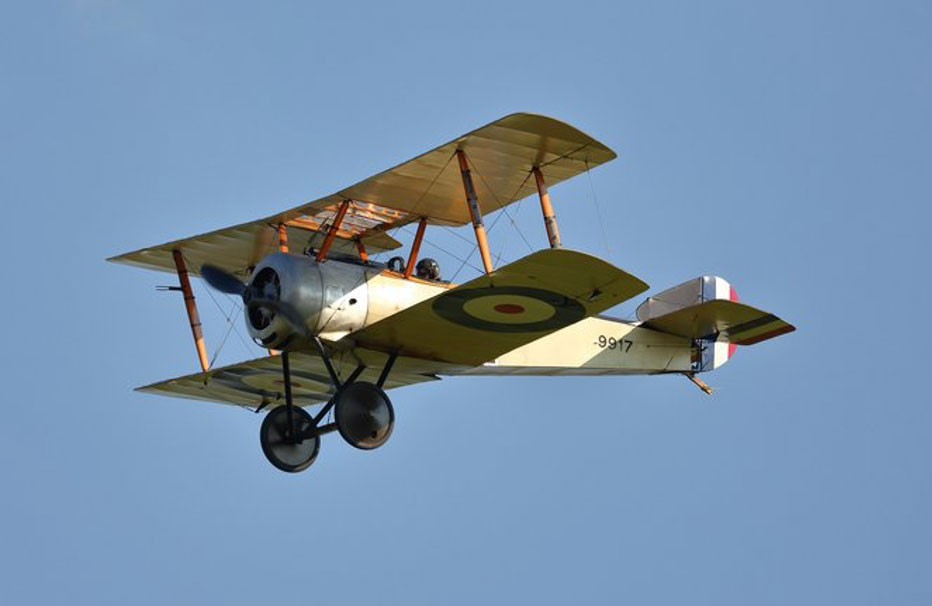
This is the first airplane we meet in Changes Wrought. The Pup (officially the Sopwith Scout) became operational in the fall of 1916; most of them were powered by 80 hp Le Rhône rotary engines. The lightweight Pup had excellent high-altitude performance, but its single Vickers machine gun put it at a distinct disadvantage against the German Albatrosses at medium or low altitude. If you’re wondering where the moniker “Pup” came from, the Pup had similar lines as the two-seat Sopwith 1 ½ Strutter, which preceded the Pup into the war by about six months. As the new Sopwith Scout was seen as the offspring of the larger 1 ½ Strutter, someone christened it the Pup, and the name stuck.

BE2

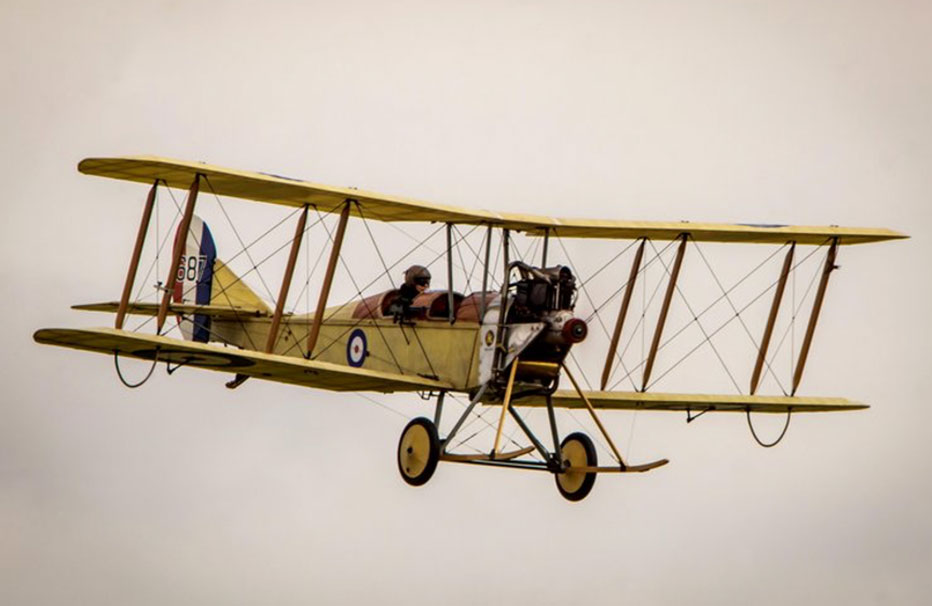
The BE2 was operational before war broke out and was an outstanding reconnaissance aircraft early in the war. By the end of 1915 most of the early BE2s models had been returned to training squadrons in England.

The photo is of a BE2c, which appeared on the continent in early 1915, and was used for reconnaissance, artillery spotting, and as a (very) light bomber. The BE2’s performance was lackluster compared to newer aircraft, and while its inherent stability made it easy to fly, it also meant the aircraft was relatively unmaneuverable. The BE2 was outclassed by the Fokker Eindecker with its single forward-firing machine gun, and even more so by the early-model Albatrosses and Halberstadts. As a result, some British pilots christened their BE2s as “Fokker Fodder.”

The BE2 was unusual in that the pilot sat in the rear seat while the observer sat in the front seat. It’s clear the observer had a restricted field of fire for his Lewis gun, and at times would need to contort himself into a firing position, while being careful not to be tossed overboard (the British did not issue parachutes to their aircrew in WW1).

Sopwith Camel

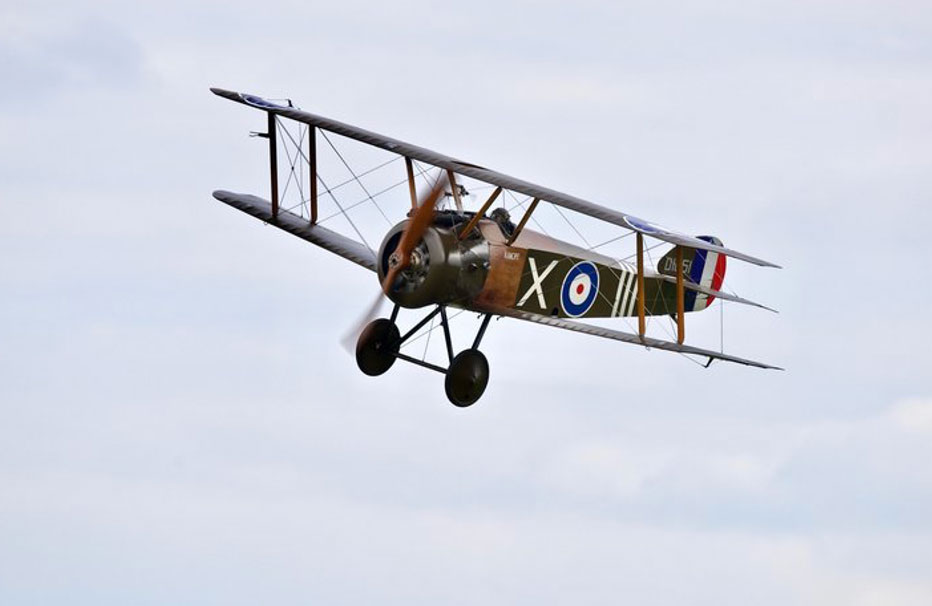
Along with the Fokker Triplane, the Camel was one of the two most famous airplanes of WW1. It was highly maneuverable, which was wonderful for experienced pilots in combat but also resulted in numerous crashes in training. All Camels had rotary engines; most of them 130 hp French Clergets (many of these built under license in Britain). However, the performance of the Clerget 130 dropped off rapidly above 12,000 feet or so, and they were gradually replaced by Le Rhône 110s and Clerget 140s in the front-line squadrons. The Camel was armed with twin Vickers machine guns and got its name from the hump in front of the pilot that encased the guns.

Captain Roy Brown, flying a 209 Squadron Sopwith Camel, was officially credited with shooting down Manfred von Ritchofen on 21 April 1918, although later research indicates it is more likely the fatal bullet was fired by a machine gunner on the ground.

SE5a

The SE5a first appeared on the Western Front in April of 1917. This is Ian Crosse’s airplane throughout most of CW, and Pete Newin chases down a Gotha bomber in an SE5 at night in Book Four.

The SE5 was fast and had excellent high-altitude capability. It was armed with a synchronized Vickers and an overwing Lewis gun firing above the propeller arc. The ammo drum of the Lewis could be changed in flight, even in the middle of a dogfight if one was adept enough.

Albert Ball was the first of many famous SE5 pilots. One technique he used was to sneak up on his victim from below and behind, with his Lewis gun angled about 45 degrees up. He would close to point-blank range and fire, without any of the normal combat maneuvering.

Bristol Fighter

Along with the Camel and the SE5a, the Bristol Fighter made up the “Big Three” of the capable, late-war British fighters. It was designed and built by the British and Colonial Aeroplane Company (“British” or “Bristol” for short). Armed with a forward firing Vickers and a Lewis gun for the observer, the Fighter was an excellent all-purpose aircraft and could hold its own against the best German single-seat fighters.

Ian Crosse is from the Bristol area and is planning a run for Parliament after the war. He makes the acquaintance of the Chairman of Bristol while setting his sights on the oldest daughter.

After flight training, Harry Booth flies the Fighter in Books Four and Five.

DH9 / DH9A

The DH9 was a capable two-seat light bomber. We meet the forerunner of the “Nine” in Book Three—the always colorful Drew Harris is a flight commander in the DH4. Whether the Nine was much of an improvement over the Four is debatable, but its tighter cockpit arrangement allowed for better communication between the pilot and the observer.

We get to know the Nine well in Book Five of CW, as Pete and Drew prepare to fly a rather improbable mission in southern Russia. Their Nines are powered by 400 hp U.S. Liberty V-12s. Most of the kinks in that engine had been worked out by 1919.

Albatros D V

The Albatros D III and D V were the workhorses of the German single-seat fighters. Very capable airplanes, although somewhat outclassed by the newer Allied fighters in the latter stages of the war. The Albatros is easily recognized by its rounded nose and the “V” arrangement of its wing struts—leading to the moniker “V-Strutter.”

This shot is of a D V. Its fuselage is more rounded than that of the D III, although the performance of the two airplanes was similar. Both were armed with dual eight-millimeter machine guns. The fuselage was constructed of plywood, whereas most British airplanes used fabric over a wooden or metal frame.

The Triplanes

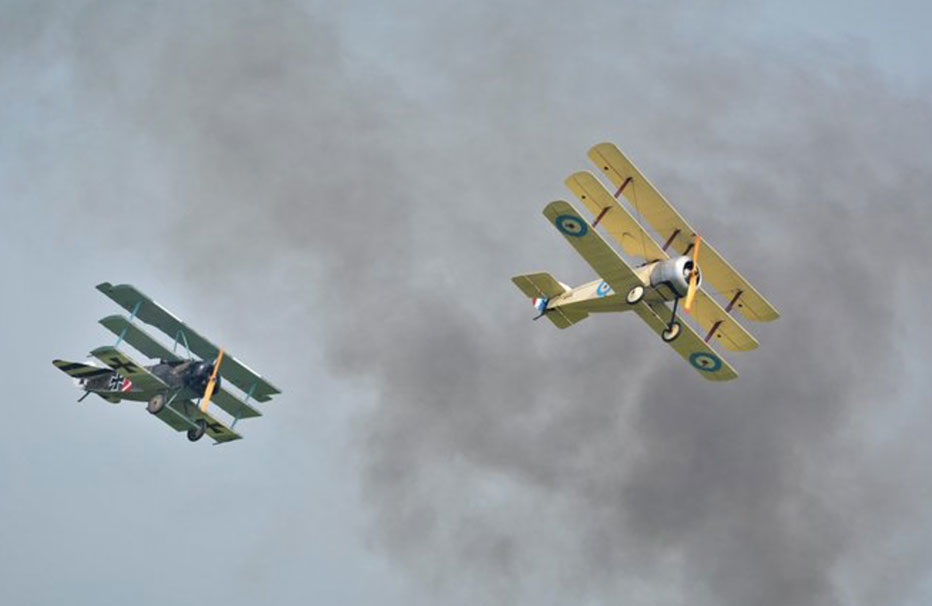
A Fokker pursuing a Sopwith. Mark Newin is puzzling over triplane aerodynamics when we meet him at the National Physical Laboratory in Book One. The Sopwith Triplane was flown by Royal Navy pilots on the continent early in the war. Although many pilots believed three wings increased climb and turn rates, this was ultimately shown not to be the case.

The Sopwith Triplane had a larger wingspan and was heavier than the more famous Fokker Triplane. The Sopwith was reasonably capable despite its single Vickers machine gun, although it was not in the same class of the later British fighters. Despite its modest performance, the Sopwith was the initial impetus behind the Fokker Triplane.

The Fokker had excellent climb and turn capability but was relatively slow. Interestingly, some Fokker Triplanes were powered by French Le Rhône rotary engines (taken off downed Allied aircraft).

Fokker D VII

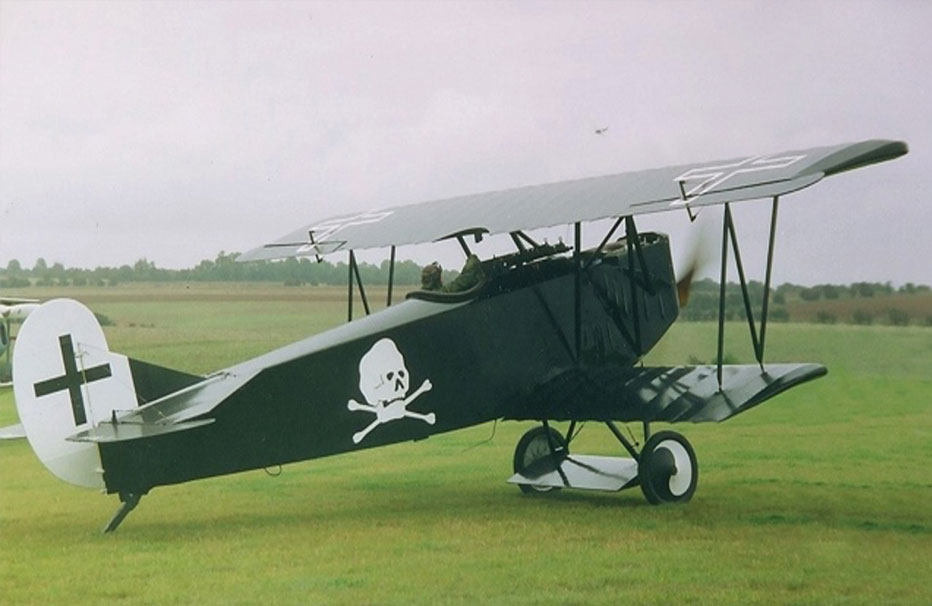
The Fokker D VII did not appear on the Western Front until the spring of 1918. The D VII was armed with dual Spandau eight-millimeter machine guns and was powered by a water-cooled inline six-cylinder engine. The early models had a 160 hp Mercedes, which was later upgraded to a 185 hp BMW. The aircraft was a very capable dogfighter, and the 1918 armistice agreement specified all D VIIs were to be handed over to the Allies.

Allied Vickers Machine Gun

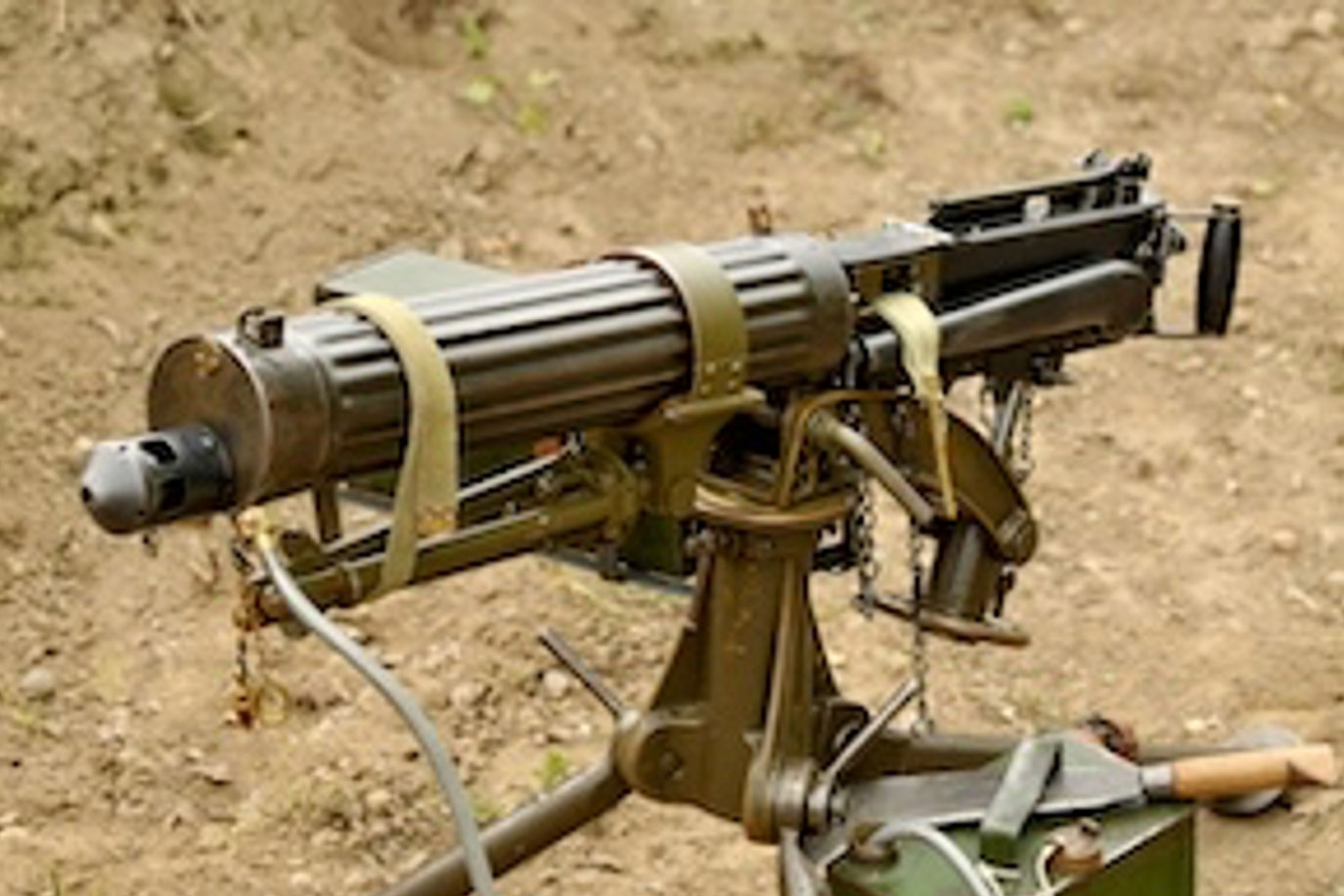
The British Vickers .303 was derived from the German Maxim. The infantry version (shown here) was water cooled, whereas aircraft-mounted Vickers were air cooled. The rate of fire was about 500 rounds per minute, and (unlike the Lewis gun) the Vickers could be synchronized to fire through the aircraft propeller.

British Lewis Gun

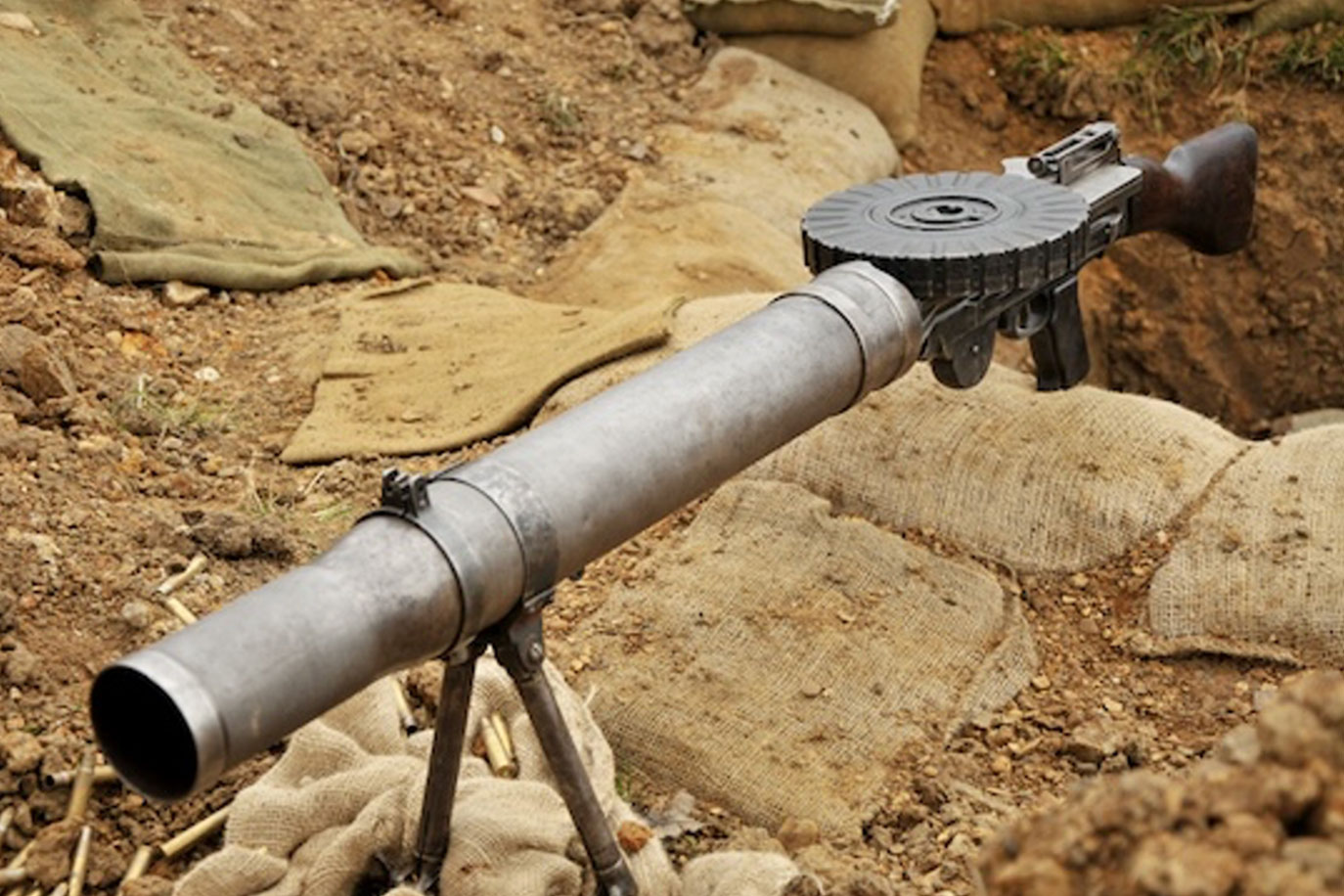
A good shot of the famous Lewis gun. This one has the earlier 47-round ammo drum, which was later supplanted by the 97-round “double stacked” drum. The Lewis was used by Allied observers, usually sitting in the back seat of an aircraft, although in some aircraft the Lewis was fixed to fire forward above the propeller arc. Unlike the Vickers, the Lewis could not be synchronized to fire through the propeller arc.

An Australian Lewis gunner may have fired the shot that killed Manfred von Ricthofen.

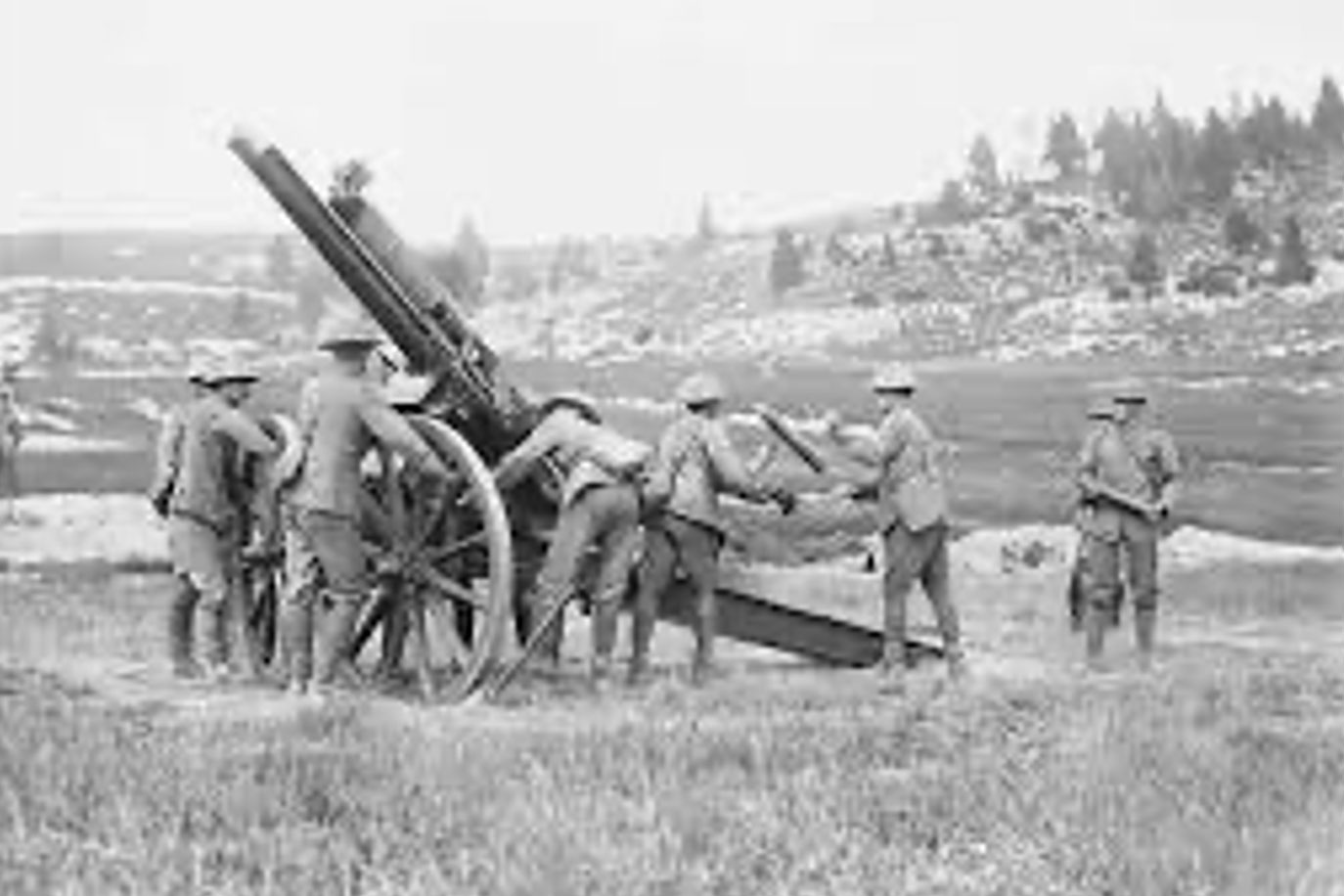
British 13-pound 9 cwt anti-aircraft gun

A British 13-pound 9 cwt anti-aircraft gun in action somewhere on the Italian Front. The history behind this weapon is interesting. Before the war the 13-pound field gun (the smaller sibling of the Royal Field Artillery’s 18-pounder) was the standard weapon of the Royal Horse Artillery. Once war broke out it was determined the 13-pounder had sufficient muzzle velocity to serve as an anti-aircraft weapon, whereas the 18-pounder did not. The anti-aircraft version of the 13-pounder was designated the 13-pound 6cwt (6cwt indicating the breech and barrel assembly weighed approximately 600 pounds). In late 1915 the British combined two ideas. They put a liner in the 18-pound gun, reducing its caliber from 3.3” to 3.0”. This allowed the gun to fire the lighter 13-pound shell using the more powerful 18-pound cartridge. The marriage was a success, and the 13-pound 9cwt was produced in large numbers. Unlike the gun shown above, many of the guns were mounted on lorries to increase mobility.

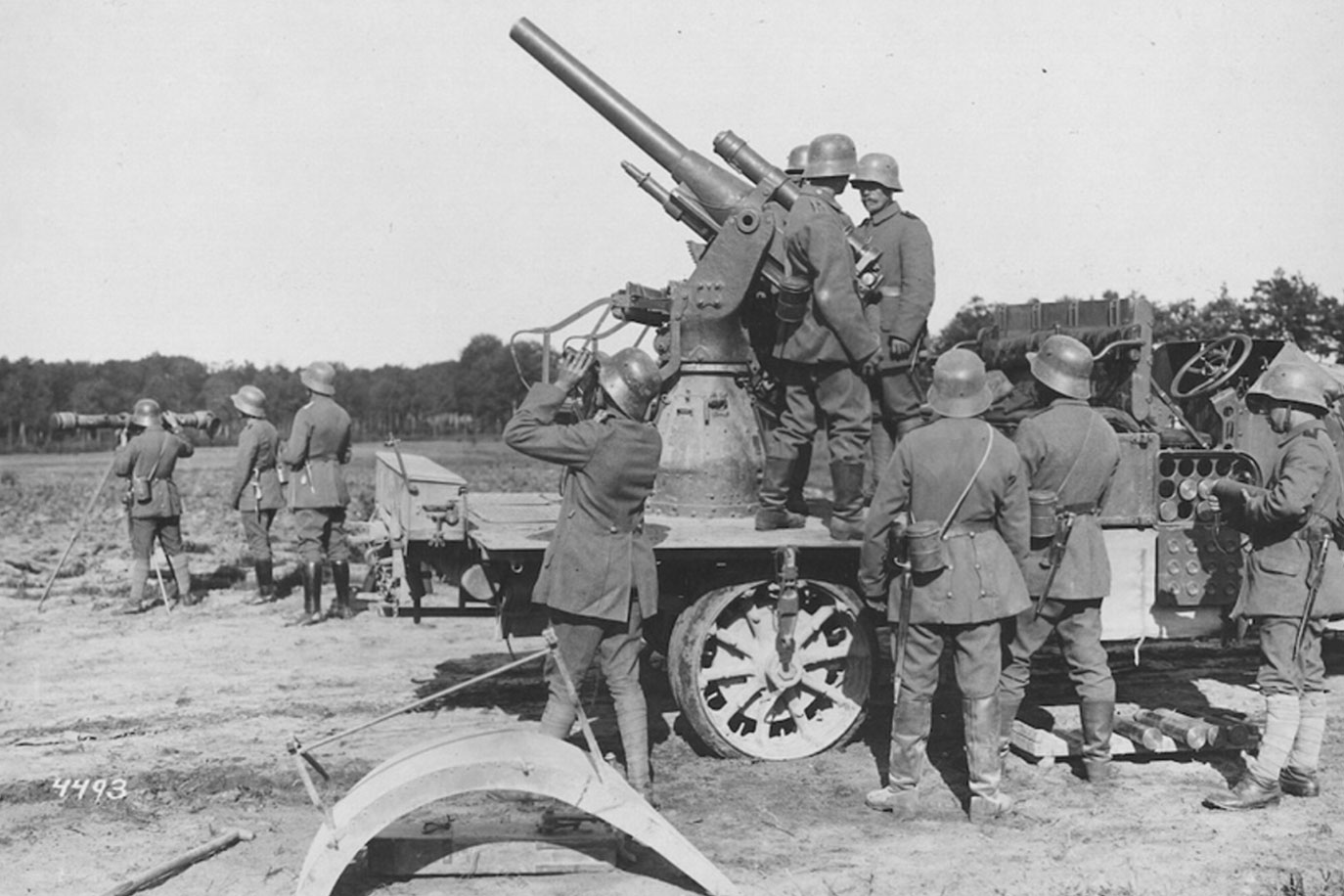
German 7.7 cm Anti-Aircraft Gun

The 7.7 cm gun was the standard German anti-aircraft gun for most of the war, although its muzzle velocity was lowered than desired. The Germans also made extensive use of captured Allied guns in the AAA role. On the left side of the photo, a soldier is operating a stereoscopic rangefinder.

The Germans eventually developed a more powerful 8.8 cm anti-aircraft gun—the forerunner of WW2’s fearsome German 88.